

Americans face major decision after housing market news
Prospective homebuyers have spent years weighing whether to buy into a difficult market, or wait for conditions to turn in their favor. For much of that stretch, patience looked like the safer play, and this week appeared to back that up.
The average 30-year fixed mortgage rate rose to 6.52% as of June 11, its third increase in four weeks, according to Freddie Mac, after the latest inflation reading hit a three-year high. For buyers hoping to catch a break on borrowing costs, it was one more nudge toward waiting to enter the housing market.
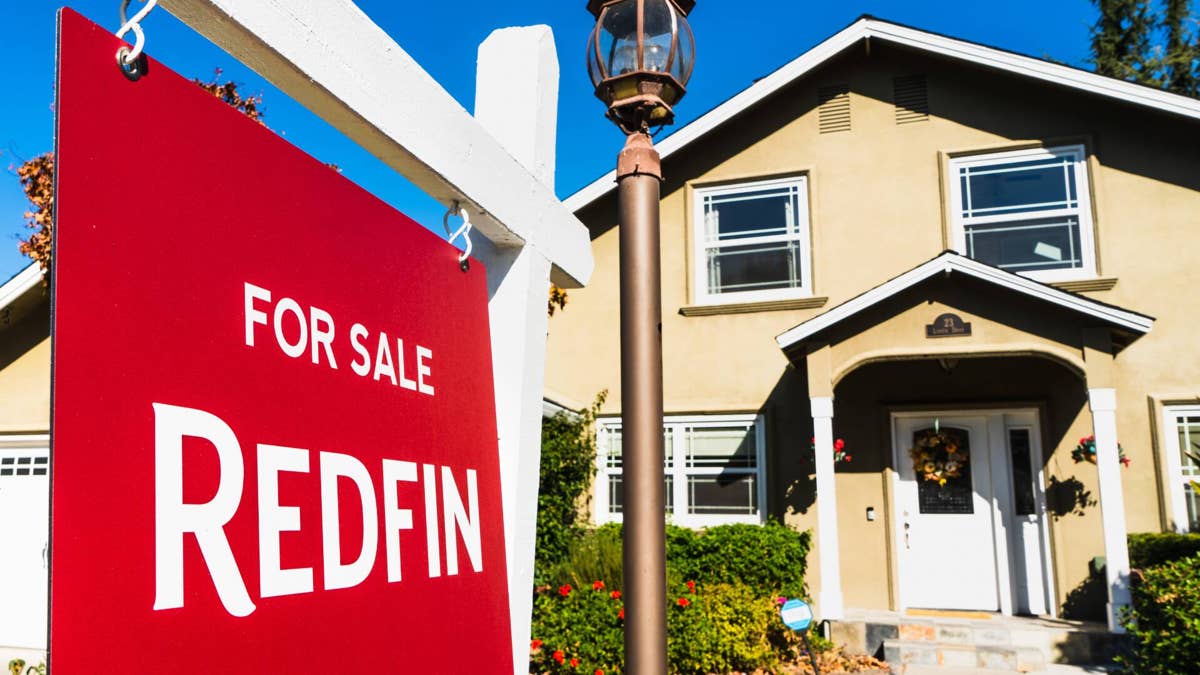
However, a separate report released the same day pushed in the opposite direction. Citing new data, Realtor.com revealed the bidding wars of the pandemic era have reversed considerably. The typical home is now selling for less than its list price, which shows bargaining power now sits with buyers.
This development leaves Americans with a real decision: keep waiting for rates to ease, or act on a level of leverage the market has not offered in years. BiggerPockets Chief Investment Officer Dave Meyer has been describing this shift as a real opportunity.
"Today's market is actually what many investors want: discounted pricing, better negotiating leverage, and quality assets available at lower prices," Meyer told TheStreet in an exclusive interview.
What new report shows about home prices
Realtor.com's analysis, released on Thursday, found that sellers can no longer count on their full asking price. This is a stark difference from 2021 and 2022, when listings often drew offers above asking amid fierce competition for limited inventory. Today, the typical home is selling for less than its most recent list price.
This reversal follows the run-up in mortgage rates since 2022, which cooled buyer demand and pushed sale prices below asking across much of the market.
The new data shows how much speed now matters. A home under contract within the first four weeks comes in about 1.8% stronger against asking than the average sale. Let it sit, and the discount grows, until by the 18-week mark sellers are typically taking around 1.3% less than they wanted.
More on housing market and mortgage rates:
- Americans face decision after unexpected housing market news
- New housing market change has big opportunity for buyers
- Fannie Mae forecasts change in mortgage rates, housing market
This shift is felt differently by region. The South and West have tilted firmly toward buyers, while the Northeast is the one area where homes still tend to clear above their list price, according to the report. The Midwest sits between the two, on track to swing back toward sellers later this year.
To Meyer, a market like this changes how to buy a home, not whether you should.
"You can buy in any market. You just have to adjust your strategy and tactics to current conditions," Meyer said.
For buyers, the news points to more negotiating room and less reason to overpay. What it can't answer is whether to act on that leverage now or hold out for lower rates. That decision is more nuanced, and brings mortgage rates back into the debate.
Shutterstock
The decision facing buyers as mortgage rates climb
The case for waiting rests on mortgage rates, and this week did little to weaken it. The increase came after the Labor Department reported that consumer prices rose 4.2% in the year through May, the fastest annual inflation in three years, driven largely by an energy spike tied to the war with Iran. Persistent inflation gives the Federal Reserve little room to cut and keeps upward pressure on mortgage rates, giving buyers on the fence another reason to hold off until borrowing eases.
Depending who they listen to, buyers can read this past week two ways. One is to wait, betting that rates eventually retreat and preserve more buying power down the road. The other is to act now, treating the negotiating leverage the Realtor.com data confirms as reason enough to buy, even at today's rates.
This comes down a bet on whether rate relief is actually coming. Meyer's answer is that it probably is not.
"People have been waiting four years for rates to fall. I've been trying to tell people that's probably not happening," Meyer told TheStreet. "Once you accept that reality, opportunities become much easier to see. Instead of saying, 'Mortgage rates are going to save me,' you ask, 'What can I do with rates in the mid-sixes?'"
None of this makes 2026 an easy year to buy a home. Mortgage rates near 6.5% and home prices that remain high by historical standards are still real constraints on affordability. That said, Thursday's report does reveal a shift in who currently holds leverage. For buyers, the decision is how to use it while it lasts.
Key takeaways for 2026 homebuyers
- Buyers now hold the upper hand: Realtor.com's latest report shows the typical home closing below its list price, a sharp turn from 2021 and 2022, when buyers routinely paid above asking to win a deal.
- The longer a home lingers, the weaker the seller's position: listings that go under contract by about week four still command roughly 1.8% more than a typical sale, per Realtor.com, while those unsold at 18 weeks settle near 1.3% under the seller's target.
- Region shapes the math: the South and West hand buyers the most leverage, the Midwest is split, and the Northeast is the only region that still favors sellers, who tend to get more than they ask there, according to Realtor.com.
- Rising rates are the catch: the average 30-year mortgage rose to 6.52% in mid-June after inflation hit a three-year high, per Freddie Mac and Labor Department data. That push-and-pull is why buyers face a real decision, not an easy call.
- What stays the same is affordability: rates near 6.5% and still-high prices keep ownership costly, so the news points to a stronger hand for buyers, not real relief from the underlying costs.
Related: Americans face major opportunity after housing market shift


You May Also Like

Cango Inc. Completes $65M Investment and Secures $10M Convertible Note Financing

PAS says Hamzah Zainudin’s return as Opposition Leader was always the plan

CoreWeave (CRWV) Stock Surges 12% on $8.5B GPU-Backed Financing Deal — Here’s the Full Picture



