Privacy: WhatsApp now allows you share usernames with people instead of your phone number
WhatsApp is rolling out one of its biggest privacy updates in years, allowing its more than 3 billion global users to reserve a unique username and connect with others without sharing their phone number.
The Meta-owned messaging app confirmed that username reservations opened on Monday, with the feature set to become fully operational later this year. Once live, users will be able to give out a username instead of a phone number to start a conversation, a change that directly addresses one of the longest-standing privacy concerns around WhatsApp.
For years, the only way to message someone on WhatsApp was to know their phone number. That requirement meant handing out a number just to chat with someone new, a stranger on a marketplace listing, a contact from a dating app, or someone met briefly at an event.
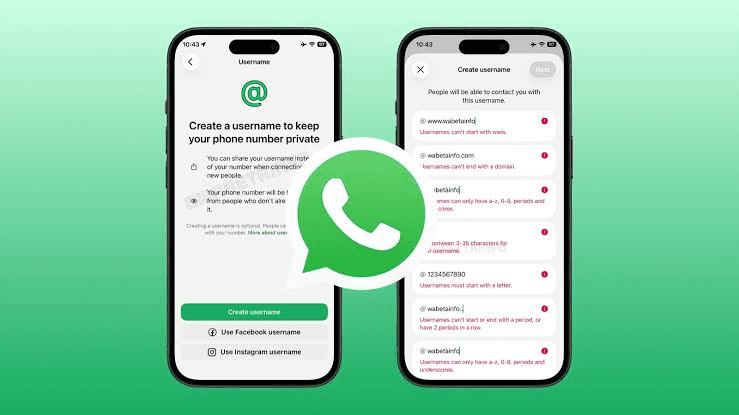
Phone numbers are also tied to a person’s real identity in most countries, making them a sensitive piece of personal information to give away. Usernames remove that requirement entirely, letting people connect on their own terms while keeping their number private.
This kind of identity layer is already familiar to users of platforms like Telegram and Signal, both of which have offered username-based messaging for some time.
WhatsApp’s adoption of the same model signals the company catching up on a feature that has become an expected privacy standard among messaging apps, rather than an unusual addition.

Another WhatsApp feature addition
The update comes shortly after the social media app made headlines for a different reason, the global rollout of WhatsApp Plus, an optional $2.99 monthly subscription focused on personalisation features like custom themes, app icons, and premium stickers.
That subscription, launched in late May, sparked online confusion with some users mistakenly believing WhatsApp had begun charging for messaging itself. It has not. Core features—including messaging, calls, encryption, group chats, remain completely free, and the username reservation feature being rolled out now falls under that same free experience.

For WhatsApp’s enormous user base, the username feature represents a meaningful shift in how people will be able to control their privacy on the platform going forward, without needing to pay for it or compromise on the core functionality millions of people rely on every day.
Similar read: WhatsApp is not charging users a mandatory fee, but there’s a new subscription to know about


You May Also Like

Monday Market Wrap: Comcast Breakup, Alphabet’s Dow Debut, and Tech Stock Rally

Columnist cracks the 'unifying theory' behind Trump's seemingly manic behavior: opinion