

Eurozone Energy Shock Keeps Pressure on ECB, Nordea Warns
BitcoinWorld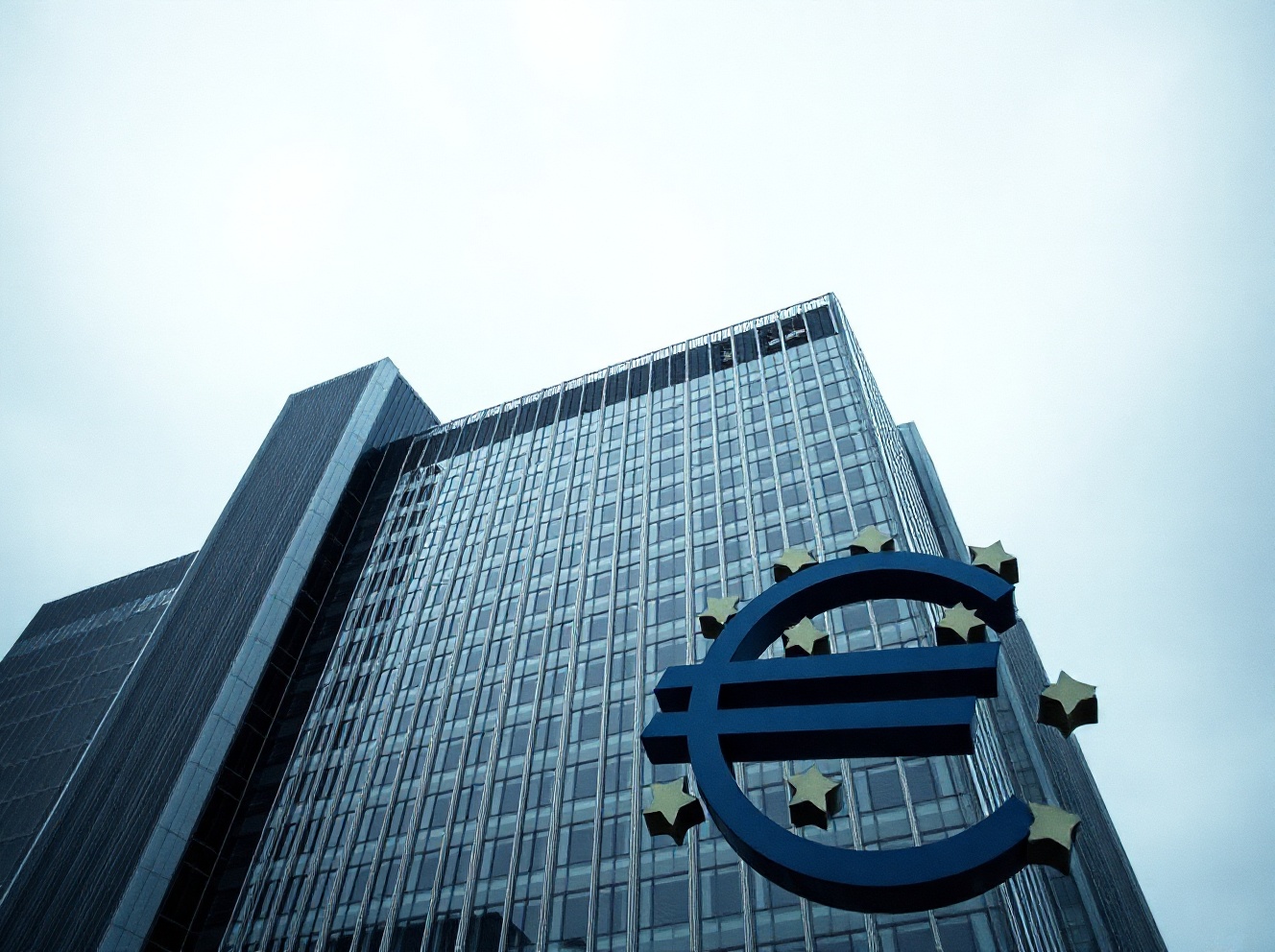
Eurozone Energy Shock Keeps Pressure on ECB, Nordea Warns
Analysts at Nordea have warned that the ongoing energy shock in the eurozone continues to exert significant pressure on the European Central Bank (ECB), complicating its path toward monetary policy normalization. The assessment, published in a recent research note, underscores the persistent challenge of elevated energy costs even as headline inflation shows signs of easing.
Energy Costs Remain a Core Inflation Driver
While overall eurozone inflation has moderated from its 2022 peaks, energy prices remain a stubbornly high component of the consumer price basket. Nordea’s analysis points out that the energy shock, initially triggered by the war in Ukraine and subsequent supply disruptions, has not fully dissipated. Wholesale natural gas and electricity prices, though lower than their crisis peaks, are still significantly above historical averages, feeding through to household bills and business operating costs.
This persistent energy price pressure creates a dilemma for the ECB. The central bank has already raised interest rates aggressively to combat inflation, but a renewed energy price spike could keep inflation above the 2% target for longer, potentially forcing further tightening even as the eurozone economy shows signs of weakness.
Implications for ECB Rate Path
Nordea’s report suggests that the ECB is likely to remain in a cautious, data-dependent mode. The bank has signaled that future rate decisions will be guided by incoming economic data, with a particular focus on underlying inflation dynamics and wage growth. However, the energy shock adds a layer of uncertainty.
“The energy component is not something the ECB can easily control through monetary policy,” the Nordea analysts wrote. “It is a supply-side shock that requires time and structural adjustments to resolve. In the meantime, it keeps upward pressure on inflation and limits the ECB’s ability to signal a clear end to its tightening cycle.”
The analysts do not expect rate cuts in the near term, arguing that the ECB will need to see convincing evidence that inflation is sustainably returning to target before easing policy. They also note that the energy shock could exacerbate economic divergence within the eurozone, with more energy-dependent economies facing greater headwinds.
What This Means for Investors and Consumers
For financial markets, the Nordea analysis reinforces the view that ECB policy will remain restrictive for an extended period. This has implications for bond yields, the euro exchange rate, and equity valuations, particularly for sectors sensitive to interest rates and energy costs.
For consumers and businesses, the message is that relief from high energy costs may be slow to materialize. While governments have implemented support measures, the underlying structural issues in energy supply and pricing remain unresolved. This keeps the cost of living elevated and weighs on economic activity.
Conclusion
Nordea’s warning highlights a critical and ongoing challenge for the eurozone. The energy shock, far from being a temporary phenomenon, continues to shape the inflation outlook and constrain the ECB’s policy options. As the central bank navigates this complex environment, its focus will remain on data and the path of underlying inflation, with the energy sector a key variable to watch.
FAQs
Q1: Why is the energy shock still pressuring the ECB?
Energy prices, while lower than peak levels, remain elevated compared to historical averages. This keeps headline and core inflation higher, complicating the ECB’s efforts to bring inflation back to its 2% target.
Q2: Does Nordea expect the ECB to cut rates soon?
No. Nordea’s analysis suggests the ECB is likely to hold rates steady or potentially raise them further if inflation proves sticky. Rate cuts are not expected in the near term.
Q3: How does the energy shock affect different eurozone countries?
Unevenly. Countries with higher reliance on imported energy, such as Germany and Italy, may face stronger economic headwinds, while those with more diversified energy sources may be less affected.
This post Eurozone Energy Shock Keeps Pressure on ECB, Nordea Warns first appeared on BitcoinWorld.


추천 콘텐츠

Kohl’s drops generous offers as it tries to win back customers

Pogacar reclaims Tour de France yellow jersey with stage six win
Conservative pundit blasts Mitch McConnell over opaque condition: 'You owe us the truth'


인기 뉴스
더보기
