

The Hidden Debt Problem: Small Payments That Quietly Drain Your Budget
It rarely feels like debt when a charge is only $4.99 here, $12.99 there, or “four payments of $19.75.” But those small drips can swell into a monthly tide that erodes your cash flow and props up revolving balances.
The numbers back it up. Surveys show people routinely underestimate their subscription spending by a wide margin, and many keep paying for services they no longer use. Meanwhile, revolving credit balances have climbed, so letting little charges ride on a card can become expensive fast.
This guide breaks down how and why tiny payments hide in plain sight—and how to find, cancel, and prevent them without turning your life into a spreadsheet.
| Point | What It Means |
|---|---|
| Small payments aren’t small in aggregate | Dozens of $5–$20 charges can rival a car payment when added up across a household. |
| People underestimate recurring costs | Self-reported spending often misses forgotten subscriptions and auto-renewals. |
| Credit card interest magnifies leaks | Allowing drips to sit on a revolving balance can trigger high interest costs over time. |
| Rules now make cancellations easier | The FTC’s click-to-cancel rule requires simple cancellation mechanisms comparable to signup. |
| BNPL is still credit | Buy Now, Pay Later splits don’t add income—they stagger obligations that can stack and strain cash flow. |
Why small payments hide in plain sight
Most of the “drip” problem is design, not willpower. Frictionless signups and “default on” renewals move tiny decisions out of sight. Free trials convert to paid tiers. Annual price hikes sneak through in unread emails. And bundling turns a single decision into several linked renewals you’re unlikely to revisit.
Psychology plays a role, too. We evaluate one $12.99 charge as trivial but don’t naturally sum twenty of them. When charges hit different cards, digital wallets, app stores, carrier bills, and PayPal/Shop Pay, the total becomes even harder to see.
Autopay is helpful for avoiding late fees, but it also makes charges feel “already decided.” That inertia is powerful—especially when vendors nudge you toward pricier plans with “most popular” badges and limited-time promos.
The 30‑minute audit to surface every recurring charge
Step 1: Pull 60–90 days of activity
Export transactions for the last two to three months from all places money moves: each credit and debit card, bank account, PayPal, Cash App, Venmo, Apple/Google app stores, and your wireless/carrier bill (which often collects add-ons).
Step 2: Tag the drips
- Mark anything with a repeated merchant name or regular amount cadence: monthly, quarterly, annually, or “every other Friday.”
- Search your statements for keywords like “subscription,” “renew,” “membership,” “cloud,” “storage,” “plus,” “pro,” “pass,” and “credits.”
- Check email for trial confirmations and renewal notices; filter by “free trial,” “auto-renew,” and “receipt.”
Step 3: Consolidate and calendarize
- Create a simple list with columns: service, amount, billing cycle, next bill date, payment source, and whether you use it weekly/monthly/rarely.
- Add next bill dates to your calendar with a 3–5 day reminder.
- Note annual renewals; they’re easy to forget and cause budget “surprises.”
Step 4: Decide—keep, downgrade, rotate, or cancel
- Keep: clear weekly use and genuine value.
- Downgrade: lower tiers or student/military/family plans.
- Rotate: streaming stacks are ripe for pausing and rotating monthly—one or two at a time.
- Cancel: zero or rare use, or duplicates (two cloud storages, overlapping photo editors, etc.).
Pro tip: If you use an aggregator app to scan subscriptions, review data-permission settings and any fees. Manual exports plus a spreadsheet often suffice—and avoid connecting more third parties to your accounts.
Subscriptions: the silent budget multiplier
Multiple studies show the gap between what people think they spend on subscriptions and what they actually pay.
- When C+R Research asked consumers to estimate monthly subscription spend, the average was $86—until they itemized everything. The true average jumped to $219, a $133 gap; 74% said recurring charges are easy to forget and 42% kept paying for unused services. C+R Research — “Subscription Service Statistics and Costs” (site)
- A 2025 CNET survey reported average U.S. adult spend of about $90 per month, and roughly $204 per year wasted on unused subscriptions—conservative, because it’s self-reported. CNET survey (republished by Yahoo Finance) — June 18, 2025
- Earlier, West Monroe’s 2021 household-level survey pegged average subscription spend at $273 per month—underscoring how totals escalate across a family. West Monroe — (press release)
Common leak zones
- Streaming stacks and add-on channels you don’t watch this month
- Cloud storage duplicates across photo, phone, and productivity suites
- Fitness and wellness apps overlapping with a gym membership
- News, audiobooks, and education bundles you planned to use “later”
- Gaming passes, premium battle passes, and family screen-time overspend
Smart trims without deprivation
- Rotate subscriptions by season; binge then pause.
- Split costs with a family plan where terms allow. Avoid password sharing that violates terms.
- Favor annual plans only if you’re certain of a year’s use and the cancellation/proration terms make sense. Otherwise, month-to-month preserves flexibility.
- Check if your wireless or credit card already includes a perk (cloud storage, streaming tier). Validate renewal dates and exit terms.
Cancellation just got easier
The Federal Trade Commission finalized an expanded “click‑to‑cancel” Negative Option Rule in October 2024, requiring sellers to offer a simple cancellation mechanism at least as easy as signup. The Commission’s order references an effective date and deferred compliance deadlines in 2025, which should reduce runaround tactics. If a vendor makes cancellation difficult, reference the rule when you contact support. Federal Trade Commission — Commission order / Negative Option (“click‑to‑cancel”) Rule
Buy Now, Pay Later and other small‑payment credit
BNPL splits a purchase into several smaller payments, often marketed as “no interest.” The appeal is obvious—but multiple open plans can overlap and crowd your upcoming paychecks. Late or rescheduled payments may trigger fees, and refunds can be messy if you return items mid-plan.
In May 2024, the Consumer Financial Protection Bureau concluded many BNPL digital-user-account products function as “credit cards” under Regulation Z, meaning lenders must provide dispute and refund protections similar to card issuers (e.g., investigating disputes and crediting returns). That’s good for consumers who need to challenge a charge. Consumer Financial Protection Bureau — press release on BNPL interpretive rule
How to keep BNPL from becoming hidden debt
- Limit the number of simultaneous plans and avoid stacking across multiple providers.
- Map due dates to your pay cycle before you check out. If it crowds rent, utilities, or groceries, skip it.
- Use a single email and app for BNPL so you don’t lose track of schedules.
- When returning an item, document everything and watch for plan adjustments or refunds to post.
Installments offered at checkout by airlines, retailers, or utilities work similarly. They ease the immediate hit but still represent a claim on future income. Treat them like a bill, not a discount.
Microtransactions, app stores, and “convenience” fees
Small one-offs can become semi-recurring: coins in a mobile game, extra cloud photo storage, premium map data for a weekend trip, or “rush processing” and “convenience” fees tacked onto ticket purchases. App stores make it easy for family members to approve charges; carriers add gaming passes and protection plans to phone bills.
Controls that actually work
- Turn on purchase approvals for family accounts; require biometrics for in-app buys.
- Disable one-click checkouts where you don’t shop often.
- Scrub carrier bills quarterly. Remove device insurance you don’t need and trial add-ons you forgot.
- Set a personal “microcap” (e.g., no unplanned purchases under $20 without a 24‑hour wait).
Credit card interest turns drips into debt
Letting small charges ride on a card matters most when balances already revolve. According to the Federal Reserve’s G.19 release, revolving consumer credit outstanding reached about $1.35 trillion in April 2026, and revolving credit grew at a 10.4% annualized rate that month—evidence of sustained balance-carrying. Board of Governors of the Federal Reserve — G.19 Consumer Credit (current release)
When you carry a balance, every new microcharge effectively borrows at your card’s rate until paid. Small, predictable drips are exactly the kind you can plan off-card or pre-fund to avoid compounding.
Practical ways to defang interest
- Route recurring essentials to a debit account or a separate “bills” card you pay in full monthly.
- If you can’t pay in full, batch cancellations first; then make an extra principal payment beyond the minimum to stop the snowball faster.
- Avoid using BNPL to “hide” card balances. That can create two repayment streams with overlapping due dates.
Hypothetical example: A $1,000 revolving balance plus $75 in monthly drips could keep you in debt far longer than expected, even if you’re making minimum payments. Trimming the drips and directing that $75 to principal meaningfully shortens repayment time and reduces total interest.
Stacked area chart showing U.S. debt by category (credit cards, motor vehicle loans, student loans, mortgages, government, etc.). — Source: FRED (Federal Reserve) via Wikimedia Commons
A realistic 7‑day plan to plug leaks
- Day 1: Export 90 days from every account and wallet. Start a simple list.
- Day 2: Tag repeats and calendar the next renewals. Highlight annuals.
- Day 3: Cancel zero‑use items. Use chat/email; cite “click‑to‑cancel” if blocked.
- Day 4: Downgrade and rotate: pick one streaming service for this month.
- Day 5: Consolidate payments to one “bills” card. Turn on low‑balance alerts.
- Day 6: Review BNPL plans; reschedule if allowed to align with payday. Avoid opening new ones until existing plans are done.
- Day 7: Redirect freed cash to your highest-cost balance or a sinking fund that covers predictable renewals.
What to check before acting
- Cancellation path: Look for in-account cancellation. If you’re forced to call or chat, reference the FTC’s “click‑to‑cancel” rule requiring a simple mechanism comparable to signup. Federal Trade Commission — Commission order / Negative Option (“click‑to‑cancel”) Rule
- Proration and refunds: Some services stop access immediately; others run until the end of the billing period. Annual plans may not prorate.
- Bundled perks: Canceling a bundle can remove multiple benefits (e.g., cloud storage, streaming, delivery). Make sure you have backups for data before ending storage services.
- Early termination fees: Phone, internet, or protection plans may have terms that trigger fees. Compare the fee with the savings from canceling.
- BNPL disputes and returns: Keep receipts and timelines. The CFPB’s interpretive rule extends dispute and refund protections to many BNPL products—use the lender’s process if a return doesn’t credit properly. Consumer Financial Protection Bureau — press release on BNPL interpretive rule
- Credit reporting: Policies vary. Some BNPL and bill-pay services may report late payments. Read the servicer’s disclosures before enrolling.
Mistakes to avoid
- Letting annuals auto-renew unnoticed: Set reminders 7–10 days before the renewal window.
- Chasing every bundle: A discount isn’t savings if you wouldn’t buy each part separately.
- Hiding revolving debt with new installment plans: You’re spreading, not shrinking, what you owe.
- Using multiple cards “for points” without a payoff plan: Perks don’t beat interest on balances carried month to month.
- Ignoring small family-line charges: Add‑a‑line promos and device protection can silently persist for years.
Frequently Asked Questions
How many subscriptions is “normal” for a household?
There’s no single right number. Household-level surveys have shown totals in the low hundreds of dollars monthly, and individual self-reports often miss items. What matters is whether each subscription still provides value you actually use and fits your cash flow.
Are annual plans always cheaper?
Annual billing often costs less per month, but only if you’ll use the service all year and the plan offers fair proration or easy cancellation. If your use is seasonal or uncertain, month-to-month may cost less overall by avoiding months you won’t use.
Does canceling subscriptions hurt my credit?
Typical content and app subscriptions don’t affect credit because they aren’t reported to credit bureaus. However, missed payments on certain financing arrangements (e.g., some BNPL or utilities) can be reported. Check each service’s disclosures.
Should I put all recurring charges on one card?
Centralizing on a dedicated “bills” card can improve tracking and help ensure you pay in full monthly. If you carry a balance, consider routing new recurring charges to an account you clear each month to avoid adding to revolving interest.
What’s the fastest way to find forgotten subscriptions?
Export 60–90 days of statements from every card and wallet, then sort by merchant name to spot repeats. Check app store subscriptions, PayPal, and your carrier bill—common hiding spots most people overlook.
How do I handle a BNPL charge for a returned item?
Start with the merchant’s return confirmation, then contact the BNPL provider and submit documentation. Many BNPL products must now provide dispute and refund processes similar to credit cards; follow the provider’s steps and monitor your plan balance.
What if a company makes it hard to cancel online?
Document your attempts (screenshots, dates). Reference the FTC’s “click‑to‑cancel” rule requiring a cancellation method as easy as signup. Escalate via chat/email, and if necessary, contact your card issuer about stopping future renewals consistent with your agreement.


You May Also Like
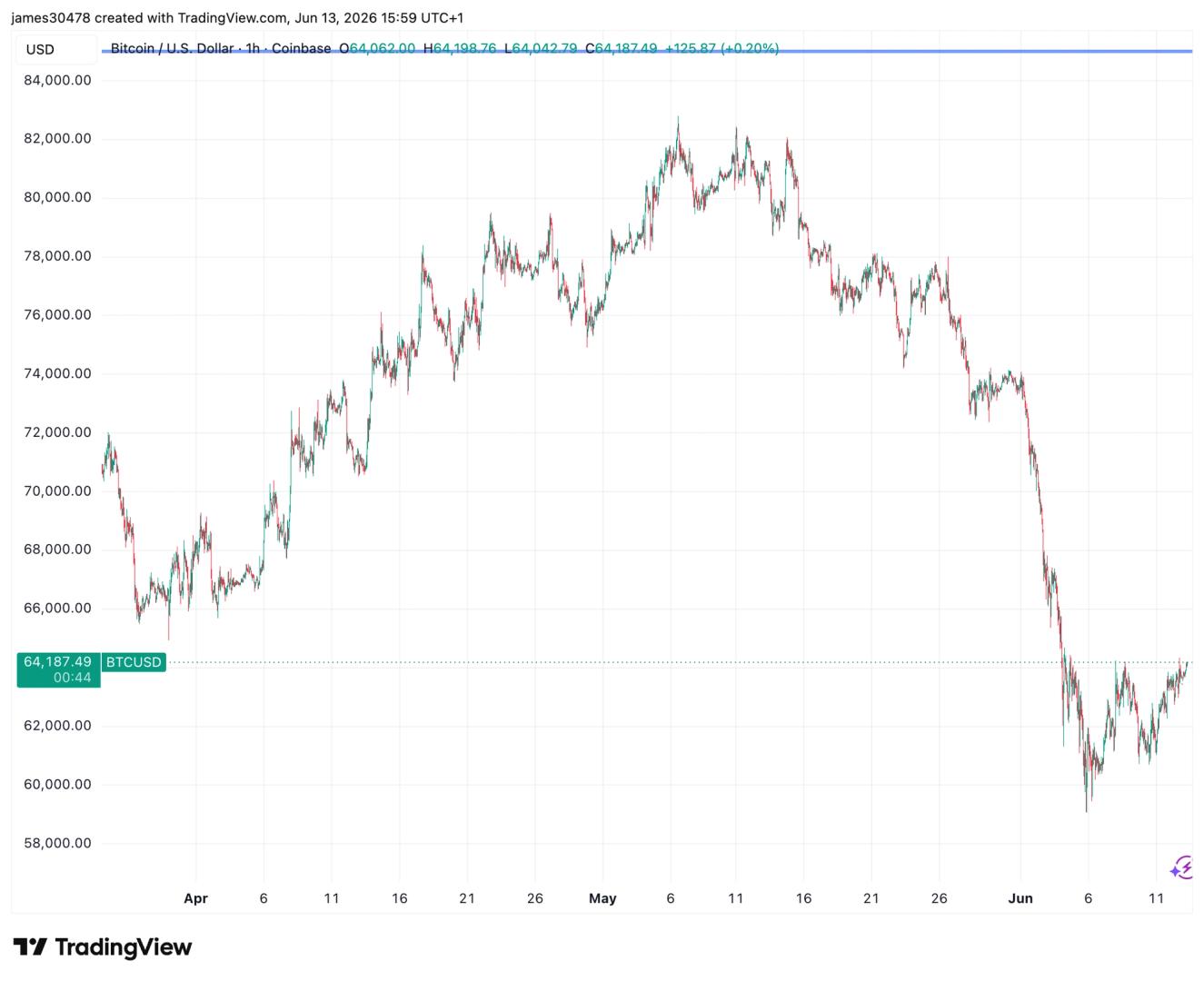
Bitcoin rises above $64,000 after Pakistan prime minister says Iran peace deal is near

Coinbase And Ethena Launch High Yield USDC Vault Powered By Morpho

Best Stablecoins Compared by Safety, Yield, Liquidity and Risk



