

Best Wallets for Airdrop Farming 2026: Don’t Lose Your Rewards to Bad Setup
Best Wallets for Airdrop Farming in 2026: Complete Guide for Crypto Hunters Across EVM, Solana, TON, and Beyond
Airdrop farming has evolved from a niche crypto strategy into a global on-chain activity used by millions of users across multiple blockchain ecosystems. In 2026, it is no longer just about “clicking tasks for free tokens.” It now includes DeFi swaps, NFT minting, governance voting, testnet participation, Telegram mini-app engagement, and cross-chain interactions.
But as opportunities grow, so do risks.
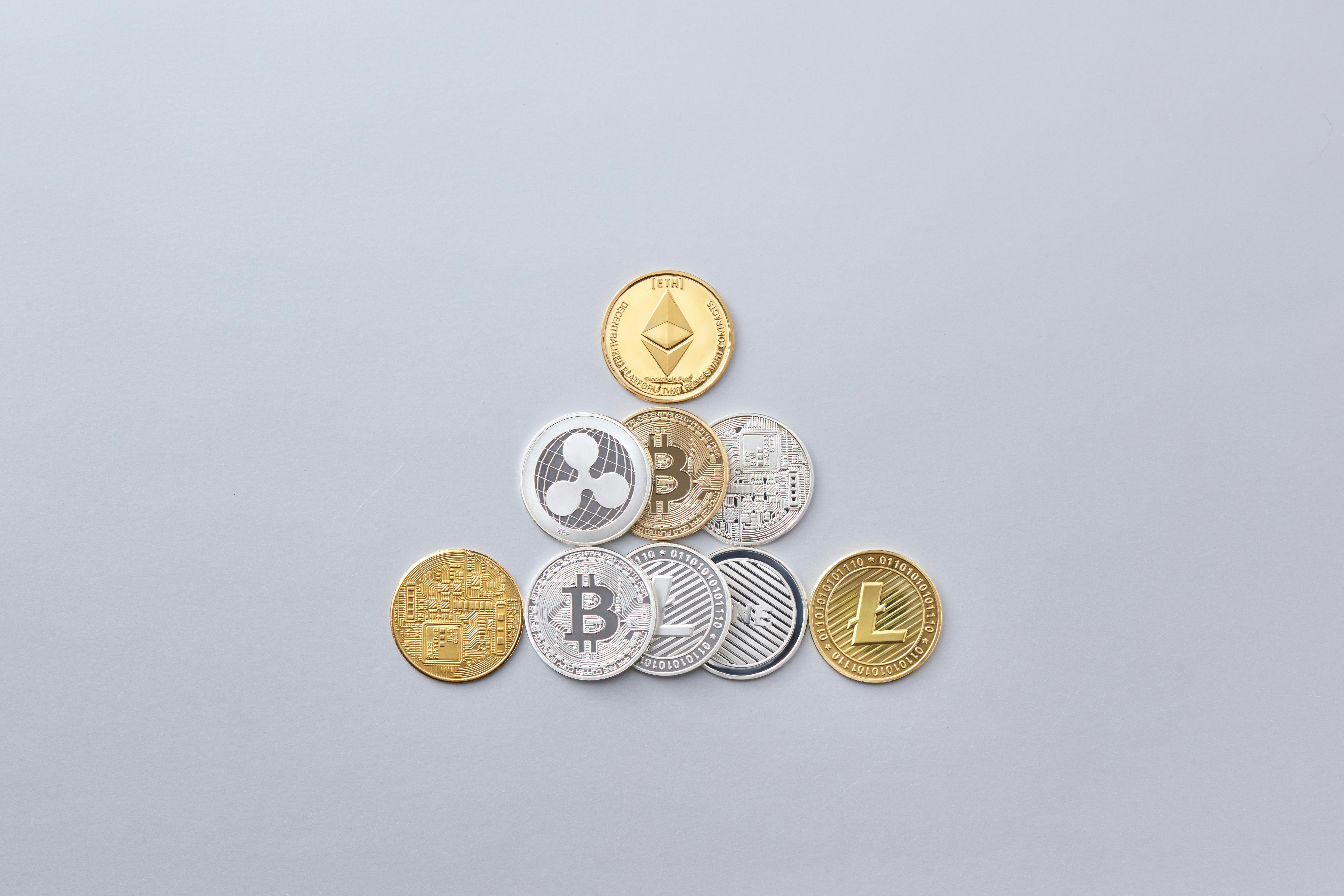
The biggest challenge for users today is not finding airdrops — it is protecting wallets while interacting with unknown protocols. Every approval, signature, or connected dApp can potentially expose funds if handled incorrectly.
That is why choosing the best wallets for airdrop farming is now considered a core strategy rather than a technical detail.
What Makes a Good Airdrop Farming Wallet?
Not every wallet is built for active crypto farming. A proper setup must balance access, safety, and chain compatibility.
A strong airdrop farming wallet should offer:
- Multi-chain support across EVM, Solana, TON, Cosmos, and Bitcoin ecosystems
- Clear transaction visibility before signing approvals
- Separation of farming funds and long-term holdings
- Compatibility with DeFi apps, testnets, NFT platforms, and launchpads
- Strong protection against phishing and malicious dApps
- Official verification and trusted download sources
Experts increasingly recommend using multiple wallets instead of relying on a single app for everything.
A common structure used by experienced users includes:
- One wallet for farming
- One wallet for storage
- One wallet for high-risk experimental activity
The Best Wallets for Airdrop Farming in 2026
MetaMask: The Core Wallet for EVM Farming
MetaMask remains the most important entry point for Ethereum-based airdrop farming. It supports major Layer 2 networks such as Base, Arbitrum, Optimism, Polygon, and BNB Chain.
MetaMask is widely used for DeFi interactions, testnet participation, NFT minting campaigns, bridge transactions, and Layer 2 quest platforms.
Its main advantage is compatibility. Nearly every EVM-based airdrop campaign integrates MetaMask by default.
However, users must understand gas fees, token approvals, and network switching before interacting with unknown contracts.
Phantom: The Leading Wallet for Solana Farming
Phantom dominates the Solana ecosystem. It is widely used for NFT campaigns, DeFi protocols, gaming ecosystems, and token launches.
Common use cases include Solana NFT minting, Jupiter and Kamino DeFi tasks, meme coin interactions, gaming reward systems, and fast low-fee transactions.
Phantom is beginner-friendly, but phishing NFT mints remain a major risk.
Trust Wallet: Mobile-First Multi-Chain Access
Trust Wallet is one of the most widely used mobile wallets globally. It supports Bitcoin, Ethereum, BNB Chain, Solana, and TRON.
It is best suited for mobile airdrop farming, swaps, staking, NFTs, and basic DeFi activity.
Its simplicity makes it ideal for beginners, but the wide feature set can sometimes confuse new users.
OKX Wallet: Multi-Chain Farming Hub
OKX Wallet supports more than 130 blockchains, making it one of the most flexible tools for cross-ecosystem farming.
It is used for multi-chain DeFi activity, cross-chain swaps, NFT campaigns, airdrop discovery, and trading workflows.
Its strength lies in combining trading and farming tools in one ecosystem, though it can feel complex for beginners.
Bitget Wallet: Built for Campaign Discovery
Bitget Wallet focuses heavily on discovery-based farming.
It is widely used for launchpad participation, early-stage token campaigns, DEX trading, airdrop hunting tools, and cross-chain swaps.
This wallet is ideal for users tracking new crypto projects before they launch.
Rabby Wallet: Safer Approvals for EVM Farming
Rabby Wallet improves safety in EVM ecosystems by showing transaction simulation before signing.
Key features include approval breakdowns, network detection, and clearer signing visibility.
It is ideal for advanced users interacting with unfamiliar smart contracts.
Keplr: Cosmos Ecosystem Farming Tool
Keplr Wallet is the leading wallet for Cosmos-based airdrop farming.
It supports staking, governance voting, IBC transfers, and testnet participation.
Many Cosmos airdrops reward staking history and governance engagement, making Keplr essential.
Tonkeeper: Telegram-Based Airdrop Access
Tonkeeper is widely used for TON ecosystem and Telegram mini-app campaigns.
It is used for Telegram tap-to-earn apps, TON token claims, NFTs, and ecosystem participation.
TON farming continues to grow alongside Telegram-based Web3 apps.
Backpack: Solana Gaming and NFT Ecosystem
Backpack Wallet is popular for Solana-native gaming and NFT ecosystems.
It supports Web3 gaming rewards, NFT campaigns, and token experiments.
Xverse: Bitcoin Ordinals and NFT Farming
Xverse Wallet supports Bitcoin Ordinals, inscriptions, and Stacks ecosystems.
It is used for Bitcoin NFTs and BTC-native Web3 campaigns.
Coinbase Wallet and Base Ecosystem Access
Coinbase Wallet is widely used for Base chain campaigns and consumer Web3 apps.
It is useful for Base quests, NFTs, and EVM-compatible activities.
Hardware Wallets: Ledger and Trezor for Security
Hardware wallets are not for farming but for protection.
Ledger and Trezor store long-term assets offline.
They are best for cold storage, backup security, and protecting large balances from online threats.
The Golden Rule of Airdrop Farming Security
Never connect your main wallet to unknown dApps.
Instead:
- Separate farming and storage wallets
- Use small balances for testing
- Review approvals regularly
- Avoid unlimited permissions
- Revoke old approvals after use
- Use verified official links only
Final Thoughts
In 2026, airdrop farming is no longer about chasing every opportunity — it is about building a secure multi-wallet strategy across ecosystems.
MetaMask and Rabby dominate EVM. Phantom and Backpack dominate Solana. Tonkeeper powers Telegram-based farming. Keplr supports Cosmos. Hardware wallets protect long-term holdings.
The winners are not the fastest users — but the safest and most consistent ones.
hoka.news – Not Just Crypto News. It’s Crypto Culture.
Writer @Erlin
Erlin is an experienced crypto writer who loves to explore the intersection of blockchain technology and financial markets. She regularly provides insights into the latest trends and innovations in the digital currency space.
Check out other news and articles on Google News
Disclaimer:
The articles published on hoka.news are intended to provide up-to-date information on various topics, including cryptocurrency and technology news. The content on our site is not intended as an invitation to buy, sell, or invest in any assets. We encourage readers to conduct their own research and evaluation before making any investment or financial decisions.
hoka.news is not responsible for any losses or damages that may arise from the use of information provided on this site. Investment decisions should be based on thorough research and advice from qualified financial advisors. Information on hoka.news may change without notice, and we do not guarantee the accuracy or completeness of the content published.


You May Also Like

Pi Network Open Mainnet Viewed as Shift Toward Code Based Trust Infrastructure

Pi Network Community Lockup Strategy Sparks Debate on Future Supply Dynamics

PMI-ACP Exam Preparation: How to Use a Simulator and Practice Questions Effectively



