

Dollar Hits One-Year Highs as Rate Divergence Widens; Yen Breaches Intervention Zone
BitcoinWorld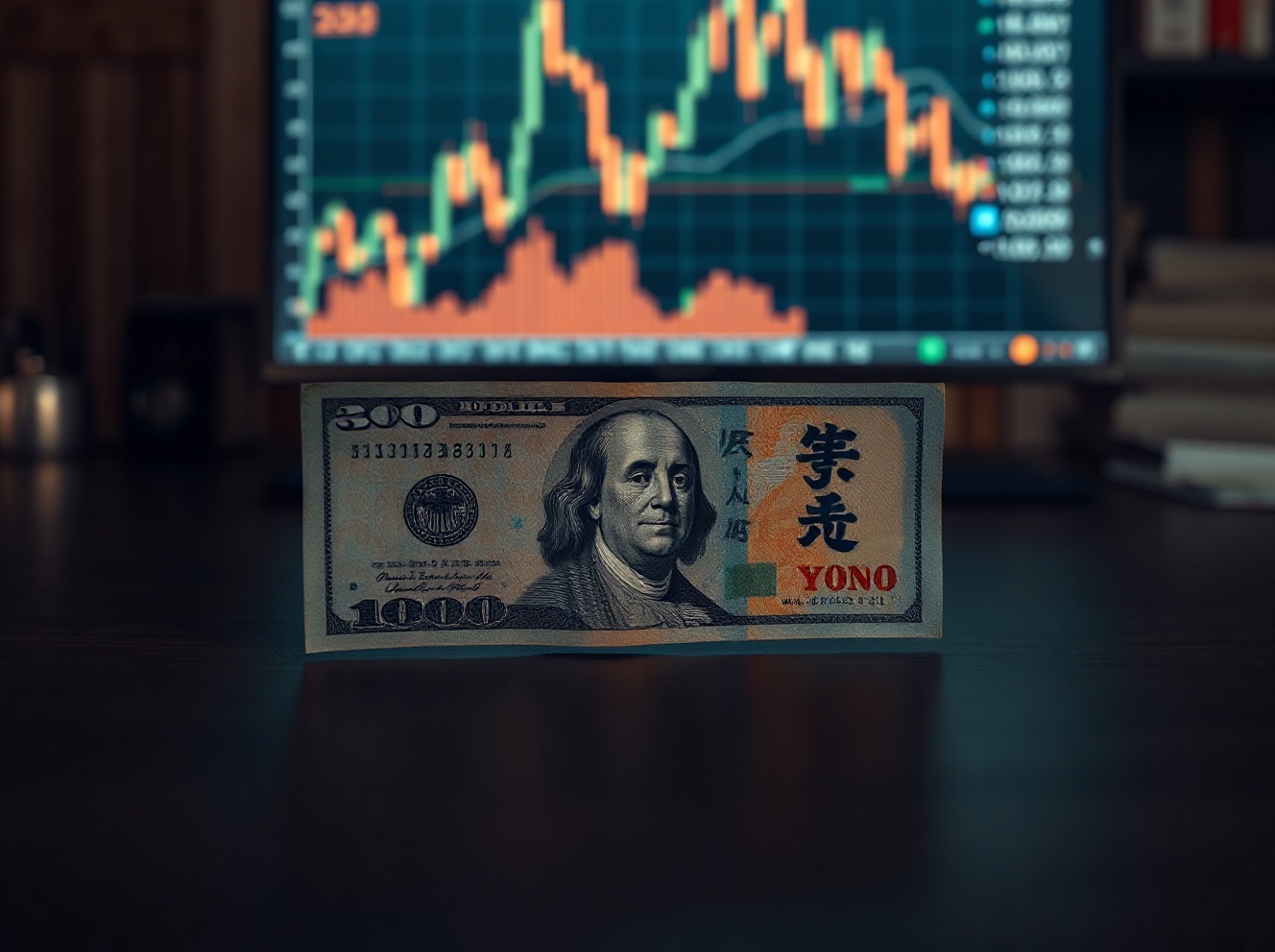
Dollar Hits One-Year Highs as Rate Divergence Widens; Yen Breaches Intervention Zone
The US dollar surged to its highest level in over a year against a basket of major currencies on Tuesday, driven by shifting expectations for Federal Reserve interest rate policy and a stark divergence in central bank outlooks. The Japanese yen, meanwhile, weakened past the closely watched 150 mark against the dollar, pushing it firmly into what traders consider an intervention zone for Japanese authorities.
Dollar Strength Fueled by Hawkish Fed Expectations
The dollar index, which measures the greenback against six major peers, climbed above 106.5, a level not seen since November 2023. The rally was supported by stronger-than-expected US economic data and comments from Federal Reserve officials suggesting that interest rate cuts may be delayed further into 2025. Market pricing now reflects a less than 50% probability of a rate cut at the Fed’s next meeting, a sharp reversal from earlier expectations of aggressive easing.
Treasury yields also rose, with the benchmark 10-year note yielding around 4.7%, adding to the dollar’s appeal. The combination of resilient US growth and sticky inflation has led investors to reassess the pace of monetary loosening, reinforcing the dollar’s safe-haven status.
Yen Weakens Past 150, Raising Intervention Risks
The Japanese yen fell to 150.20 per dollar, its weakest level since July 2023. This breach of the psychologically important 150 threshold has historically triggered verbal warnings or direct market intervention from Japan’s Ministry of Finance and the Bank of Japan. In 2022, Tokyo intervened when the yen weakened past 150, spending approximately $60 billion to support the currency.
Finance Minister Shunichi Suzuki reiterated that authorities are watching currency moves with a high sense of urgency and will take appropriate action against excessive volatility. However, traders remain skeptical that intervention alone can reverse the trend given the fundamental interest rate differential between the US and Japan. The Bank of Japan has maintained ultra-low interest rates, while the Fed has held rates at their highest level in decades.
What This Means for Global Markets
The dollar’s sustained strength has broad implications. Emerging market currencies are under pressure, with several Asian central banks facing the dilemma of defending their own currencies or allowing depreciation to support exports. For Japan, a weaker yen boosts export competitiveness but raises import costs, particularly for energy and food, adding to inflationary pressures on households.
In currency markets, traders are now closely watching for any signs of actual intervention from Tokyo. A coordinated verbal campaign has so far failed to stem the yen’s decline, and analysts warn that actual market action may be needed to prevent a disorderly slide. The next key levels to watch are 152 and 155, which could trigger more forceful responses.
Conclusion
The dollar’s rally to one-year highs reflects a fundamental repricing of rate expectations in the US, while the yen’s slide into intervention territory highlights the growing divergence between the Fed and the Bank of Japan. For investors, the key question is whether the current trend will persist or whether coordinated action from Japanese authorities can temporarily stabilize the yen. The situation remains fluid, and markets will be watching both central bank rhetoric and economic data releases in the coming weeks.
FAQs
Q1: Why is the US dollar strengthening?
The dollar is strengthening due to strong US economic data and hawkish signals from the Federal Reserve, which have reduced expectations for near-term interest rate cuts. Higher US yields relative to other countries attract capital inflows, boosting the dollar.
Q2: What is the yen intervention zone?
The yen intervention zone refers to levels where Japanese authorities have historically intervened in currency markets to support the yen. The 150 level against the dollar is widely viewed as a trigger point for verbal warnings or actual market action.
Q3: Can Japan’s intervention stop the yen from weakening further?
Intervention can provide temporary relief and reduce volatility, but it is unlikely to reverse the trend if fundamental factors like interest rate differentials persist. Sustained intervention requires significant foreign reserves and is often seen as a short-term measure.
This post Dollar Hits One-Year Highs as Rate Divergence Widens; Yen Breaches Intervention Zone first appeared on BitcoinWorld.


You May Also Like

Is Trump Manipulating the Crypto Market?

Worst Ad Campaign Ever...
Fed’s Shift to Quieter Guidance: The ‘Warsh Era’ Begins, Says BNY



