

Iran Confirms Strait of Hormuz Fully Open for Merchant Ships Amid Global Energy Concerns
BitcoinWorld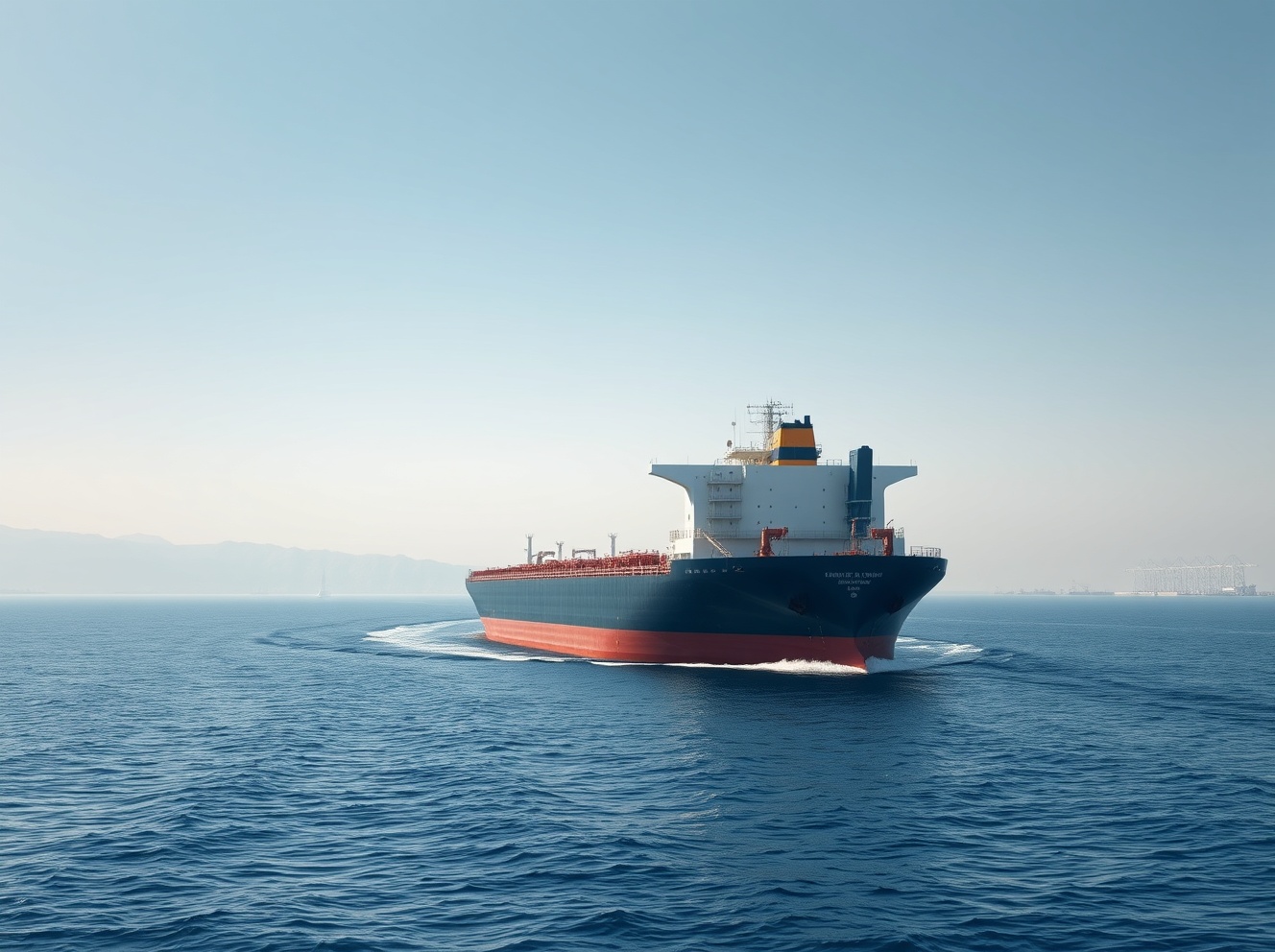
Iran Confirms Strait of Hormuz Fully Open for Merchant Ships Amid Global Energy Concerns
Iran’s ambassador to Geneva has confirmed that the Strait of Hormuz remains fully open to merchant ships, with significant volumes of crude oil currently being transported through the strategic waterway. The statement, reported by the state-run Iranian Students’ News Agency (ISNA), comes amid ongoing international scrutiny of maritime security in the region.
Official Statement and Context
The ambassador’s remarks directly address concerns about potential disruptions to shipping through the strait, a narrow passage that connects the Persian Gulf to the Gulf of Oman and the Arabian Sea. Approximately 20% of the world’s oil supply transits this chokepoint, making its status a critical factor in global energy markets. The official stated that large quantities of crude oil are currently moving through the waterway without interruption, countering speculation about restrictions or blockades.
Strategic Importance of the Strait of Hormuz
The Strait of Hormuz is one of the world’s most strategically important maritime routes. Any disruption to shipping there can trigger sharp fluctuations in oil prices and impact energy security for major consuming nations, including those in Asia, Europe, and North America. Iran, along with other Gulf states, has historically asserted its role in maintaining the strait’s security, while also leveraging its position in geopolitical negotiations. The latest statement appears aimed at reassuring international markets and shipping companies of continued safe passage.
Implications for Global Energy Markets
While the ambassador’s statement is intended to calm market jitters, analysts remain watchful. Past incidents, including tanker seizures and regional military tensions, have periodically raised the risk premium on oil shipments. The confirmation of open passage provides short-term relief, but the broader geopolitical backdrop—including ongoing nuclear negotiations and regional rivalries—means the situation remains fluid. Traders and shipping firms will likely continue to monitor for any signs of policy shifts or security incidents.
Conclusion
Iran’s official confirmation that the Strait of Hormuz is fully operational offers a moment of clarity for global energy markets. However, the long-term stability of this vital trade route depends on sustained diplomatic engagement and adherence to international maritime law. The statement, while reassuring, does not eliminate the underlying strategic vulnerabilities inherent in the region.
FAQs
Q1: Why is the Strait of Hormuz important for global oil supplies?
About one-fifth of the world’s oil passes through the Strait of Hormuz, making it the most important chokepoint for global crude oil shipments. Any disruption can quickly affect global prices and supply chains.
Q2: Has Iran previously threatened to close the Strait of Hormuz?
Yes, Iranian officials have periodically threatened to restrict shipping through the strait in response to international sanctions or military tensions. However, such threats have rarely been fully enacted, as closure would severely harm Iran’s own economy.
Q3: What does this statement mean for oil prices?
The confirmation of open passage is likely to have a calming effect on oil markets in the short term, reducing the risk premium that traders factor in. However, prices remain sensitive to broader geopolitical developments in the region.
This post Iran Confirms Strait of Hormuz Fully Open for Merchant Ships Amid Global Energy Concerns first appeared on BitcoinWorld.


You May Also Like

Bitcoin and Ether ETFs Post Net Outflows, ARKB Bucks Trend

Europe must be ready to replace key US weaponry, says EU defence chief

Here’s why DeXe price soared over 50% today



