

Analysis: At Current Burn Rate, Reducing XRP Supply to 500 Million Would Take 480,000 Years
BitcoinWorld
Analysis: At Current Burn Rate, Reducing XRP Supply to 500 Million Would Take 480,000 Years
A detailed analysis by The Crypto Basic reveals that at the current burn rate on the XRP Ledger (XRPL), it would take approximately 480,000 years to reduce the circulating supply of XRP to 500 million tokens. The finding underscores the extremely gradual deflationary pressure exerted by the network’s transaction fee burn mechanism.
Current Supply and Burn Dynamics
The total supply of XRP stands at roughly 99.98 billion tokens, with approximately 32.74 billion held in escrow and 67.22 billion in active circulation. The XRPL burns an average of 373 XRP per day through transaction fees, amounting to about 138,000 XRP annually. Since the ledger’s launch in 2012, roughly 14.3 million XRP—valued at around $15.59 million at current prices—has been permanently removed from circulation.
Mathematical Projections
To bring the circulating supply down from 67.22 billion to 500 million, the network would need to burn 66.72 billion XRP. At the current annual burn rate of 138,000 XRP, this process would span roughly 480,000 years. If the goal were to reduce the total supply—including escrowed tokens—from 99.98 billion to 500 million, the timeline extends to approximately 720,000 years. These figures highlight the minimal impact of the burn mechanism on overall supply in human-relevant timeframes.
Implications for the XRP Ecosystem
The analysis carries several implications for XRP holders and the broader crypto community. First, the burn mechanism, while technically deflationary, operates at a scale that does not meaningfully reduce supply in the foreseeable future. Second, the escrow system releases 1 billion XRP monthly, far outpacing the burn rate and adding net inflationary pressure. Third, any significant supply reduction would require either a drastic increase in transaction volume or a fundamental change to the network’s fee structure. For context, to achieve a noticeable deflationary effect—such as reducing supply by 1% over a decade—the daily burn rate would need to increase by several orders of magnitude, which is unlikely under current network usage patterns.
Broader Market Context
The XRP burn rate discussion occurs against a backdrop of ongoing regulatory clarity and institutional adoption. Ripple’s legal battles with the SEC have largely resolved, and the token has seen increased interest from financial institutions exploring cross-border payment solutions. However, supply dynamics remain a key consideration for long-term investors evaluating XRP’s value proposition relative to other digital assets with fixed or more aggressive deflationary mechanisms, such as Bitcoin’s halving schedule.
Conclusion
The analysis from The Crypto Basic provides a sobering perspective on XRP’s deflationary mechanics. While the burn mechanism adds a layer of scarcity over geological timescales, it has negligible impact on supply in any practical investment horizon. Investors and network participants should focus on transaction adoption and utility growth as primary drivers of XRP’s value, rather than relying on supply reduction from fee burns.
FAQs
Q1: How much XRP has been burned since the XRPL launched?
Approximately 14.3 million XRP has been burned since 2012, valued at around $15.59 million at current prices.
Q2: Why does the burn rate have such a small impact on supply?
The burn rate of 373 XRP per day is extremely low relative to the total supply of 99.98 billion XRP, and the monthly escrow releases of 1 billion XRP add net inflationary pressure that far exceeds the burn.
Q3: Could the burn rate increase in the future?
Yes, if transaction volume on the XRPL increases significantly, the burn rate would rise proportionally. However, even a tenfold increase in volume would still result in deflationary timelines measured in thousands of years.
This post Analysis: At Current Burn Rate, Reducing XRP Supply to 500 Million Would Take 480,000 Years first appeared on BitcoinWorld.


You May Also Like
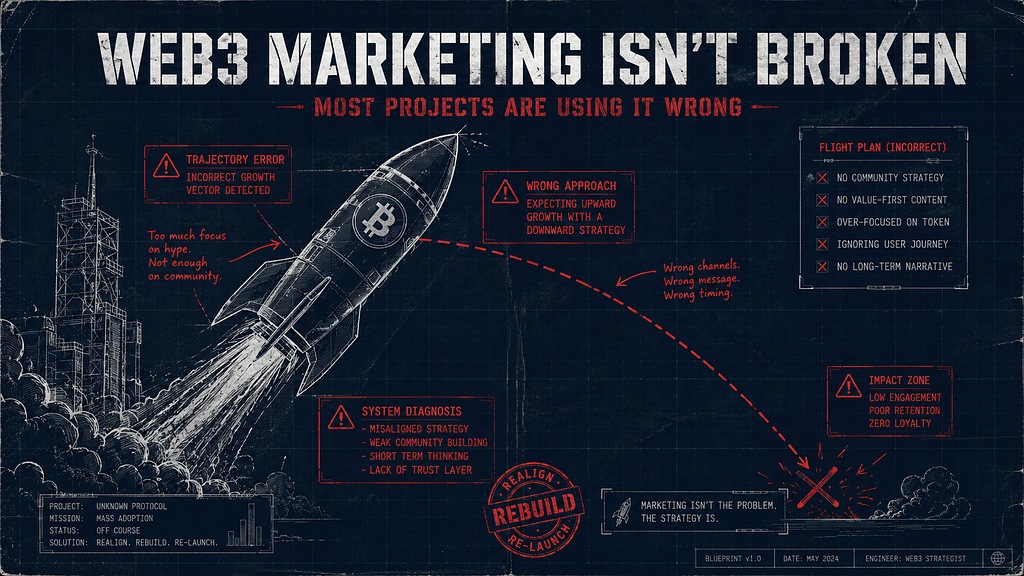
Web3 Marketing Isn’t Broken -Most Projects Are Using It Wrong

U.S. Manufacturing Activity Surges to 49-Month High, Signaling Strong Economic
Custom Silicon and Scalable Ledgers



