

31 Things to Do in Shanghai (2026): Attractions, Food & Gems
From neon skylines to shikumen lanes, here’s what’s actually worth your time
Shanghai is roughly a five-hour direct flight from Changi, and it surprises almost everyone who expects a stiff financial capital. You get a 632-metre tower next to a 400-year-old garden, a soup-dumpling stall two streets from a Michelin restaurant, and a Metro that makes the whole thing easy to cover in a long weekend. Here are 31 things to do, plus how many days to give it and what it all costs.
| Quick Answer | Details |
|---|---|
| Best for | First-timers, foodies, design and skyline lovers, families |
| How many days | 3 days covers the essentials; 5–7 adds day trips and slow neighbourhoods |
| Don’t miss | The Bund, Yu Garden, a xiaolongbao crawl, Shanghai Tower, Zhujiajiao |
| Getting around | Metro (one of the world’s largest), DiDi, the Maglev from the airport |
| Best time | March–May and September–October; skip Golden Week (early Oct) |
| Paying | Near-cashless; link a card to Alipay or WeChat Pay and tap or scan |
Table of Contents
- Is Shanghai Worth Visiting?
- How Many Days Do You Need in Shanghai?
- Iconic Shanghai Attractions & Landmarks
- Unique Shanghai Experiences & Tours
- Shanghai Food & Culinary Highlights
- Trendy Neighbourhoods & Hidden Gems
- Shanghai Day Trips & Water Towns
- Is Shanghai Expensive? Costs & Paying in a Cashless City
- The Pearl of the Orient Delivers
- Shanghai FAQ
Is Shanghai Worth Visiting?
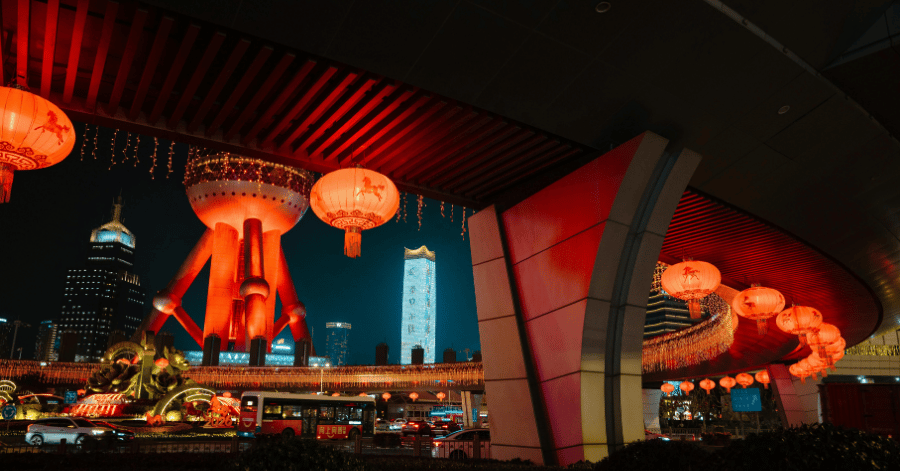
Yes, and especially for a first trip into mainland China. Shanghai is the most navigable big city in the country for foreign visitors: English signage across the Metro, one of the world’s largest subway networks, and a café, shopping and nightlife scene denser than anywhere outside Hong Kong.
What makes it click is the contrast. The Bund’s 1920s waterfront stares across the river at a wall of futuristic skyscrapers. Centuries-old gardens and temples sit a few Metro stops from concept stores and roastery cafés. You can eat brilliantly for a couple of dollars or splurge on a Tang-dynasty banquet, often on the same day.
There’s no paperwork to worry about, either: Singapore passport holders can visit China visa-free for up to 30 days under the mutual exemption, so a Shanghai trip needs nothing more than a valid passport and a flight.
The one thing to sort before you land is payments. Shanghai runs almost entirely on Alipay and WeChat Pay, and we cover how to handle that further down.
 Related Guide: Wondering if your card even works over there? Our guide to using YouTrip in China covers exactly what works and where.
How Many Days Do You Need in Shanghai?
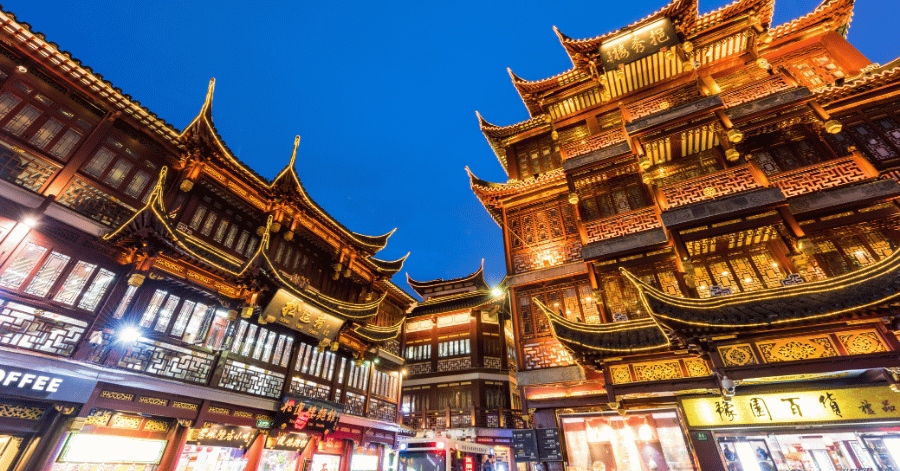
Three days covers the headline sights without rushing. Two days is enough if you stick to the centre, and five to seven lets you fold in day trips and the slower neighbourhoods. Here’s how to split it.
Shanghai in 1 day (the essentials)
Start at Yu Garden when it opens, wander the surrounding Yuyuan Bazaar, then Metro to People’s Square for the Shanghai Museum. Spend the late afternoon on Nanjing Road walking east toward the river, and finish on the Bund at dusk to watch the Pudong skyline light up. It’s a long day, but it’s the classic first pass.
The ideal 3-day Shanghai itinerary
- Day 1, Old Shanghai: Yu Garden, the Bund, Nanjing Road, and a Huangpu River cruise after dark.
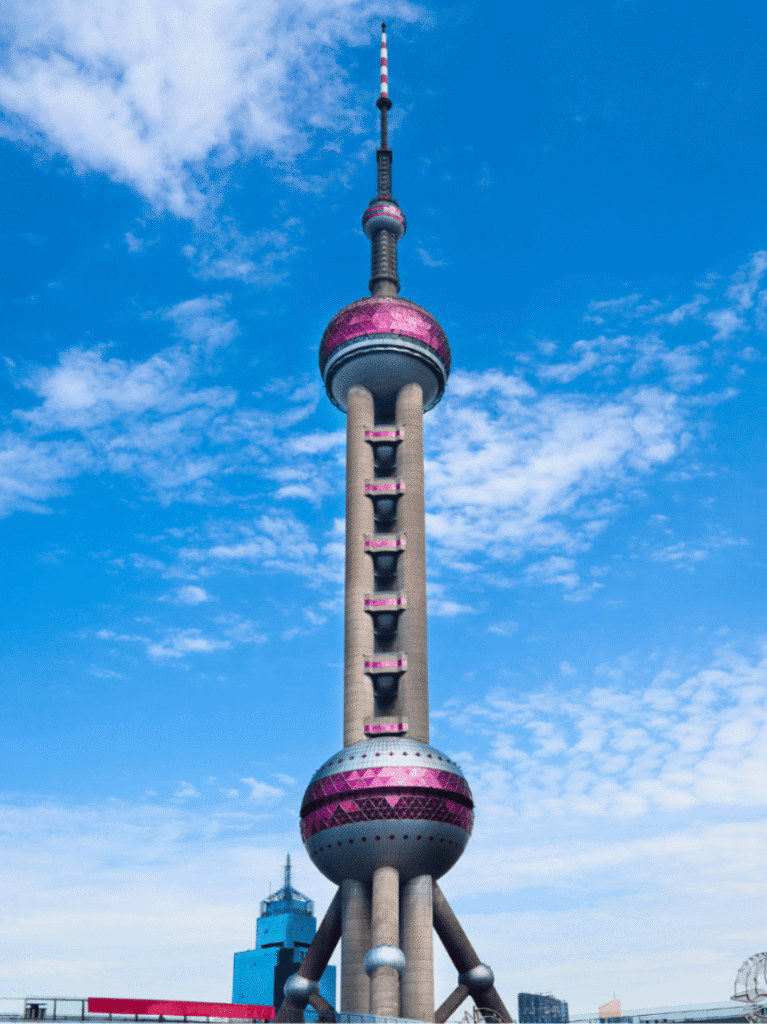
- Day 2, Pudong and modern Shanghai: Shanghai Tower or the Oriental Pearl, the Museum of Art Pudong, then the Lujiazui skyline photo spots.
- Day 3, Lanes and food: Tianzifang and Xintiandi, the Anfu and Wukang Road boutique trail, and a xiaolongbao crawl through the old town.
5 days to a week (day trips and slow neighbourhoods)
With more time, add Zhujiajiao water town for a half-day on the canals, a fast-train hop to Suzhou, and unhurried mornings in the former French Concession. This is also when the creative districts (M50, 1933 Old Millfun) and the dessert-and-coffee scene come into their own.
Related Guide: Giving the parks a full day? Our Shanghai Disneyland guide has ticket tiers, ride picks and queue tips.
Iconic Shanghai Attractions & Landmarks 
These are the sights that define the skyline and the old town. If it’s your first visit, start here.
Shanghai Tower
China’s tallest building and the world’s third-tallest at 632 metres, with an observation deck on the 118th floor reached by one of the fastest lifts on the planet. The city looks unreal from up here, especially around sunset.
 501 Yincheng Middle Road, Lujiazui, Pudong
 8:30 AM–9 PM (to 10 PM weekends and holidays)
 From 180 CNY (~S$34)
The Bund
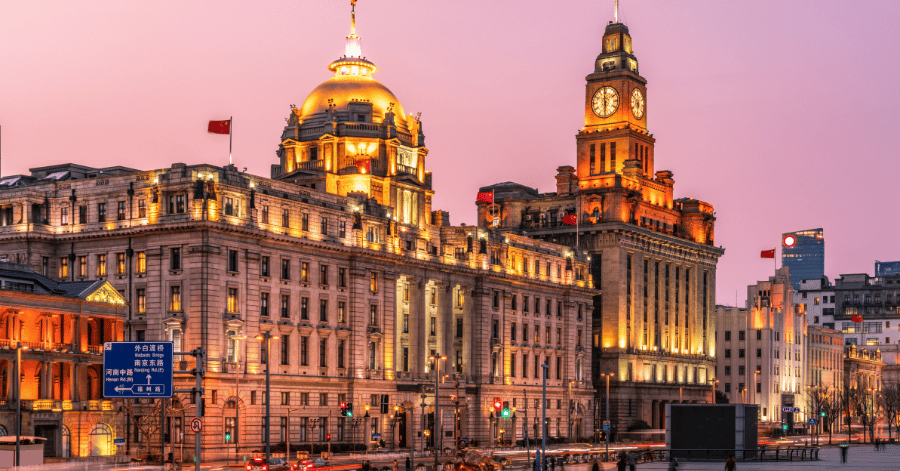
Shanghai’s most famous waterfront, lined with grand 1920s colonial buildings on one side and the Pudong skyline on the other. Come at dusk when both sides light up, then walk it slowly.
- Zhongshan Road (E-1), Waitan, Huangpu
- Open 24 hours
- Free
Yu Garden
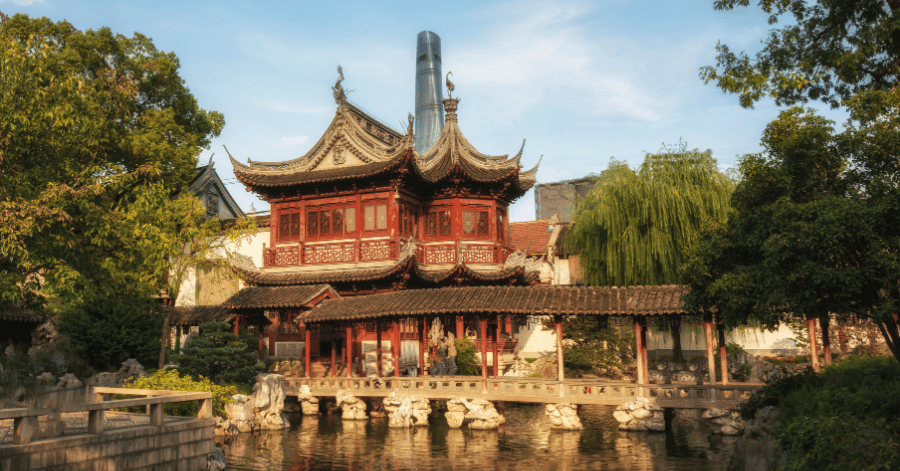
A 400-year-old Ming-dynasty garden of rockeries, koi ponds and pavilions in the heart of the old town, ringed by the lively Yuyuan Bazaar. It’s compact, so an hour or two is plenty.
- 279 Yuyuan Old Street, Huangpu
- 9 AM–4:30 PM (closed Mondays)
- 40 CNY (~S$7.50) peak season; 30 CNY (~S$5.70) off-peak
Longhua Temple
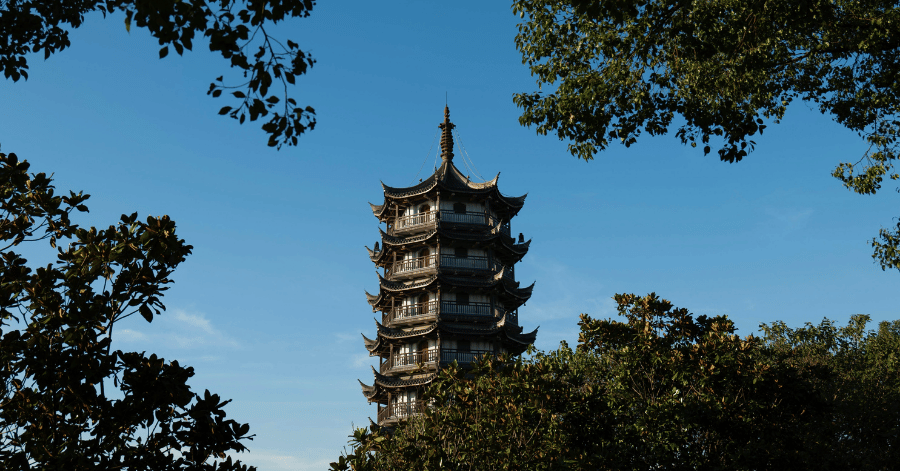
One of Shanghai’s oldest and largest temple complexes, dating back over 1,700 years, with a striking pagoda and far fewer crowds than the central sights. A calm, incense-scented break from the city.
- 2853 Longhua Road, Xuhui
- 7 AM–4:30 PM
- 10 CNY (~S$1.90)
Shanghai Museum
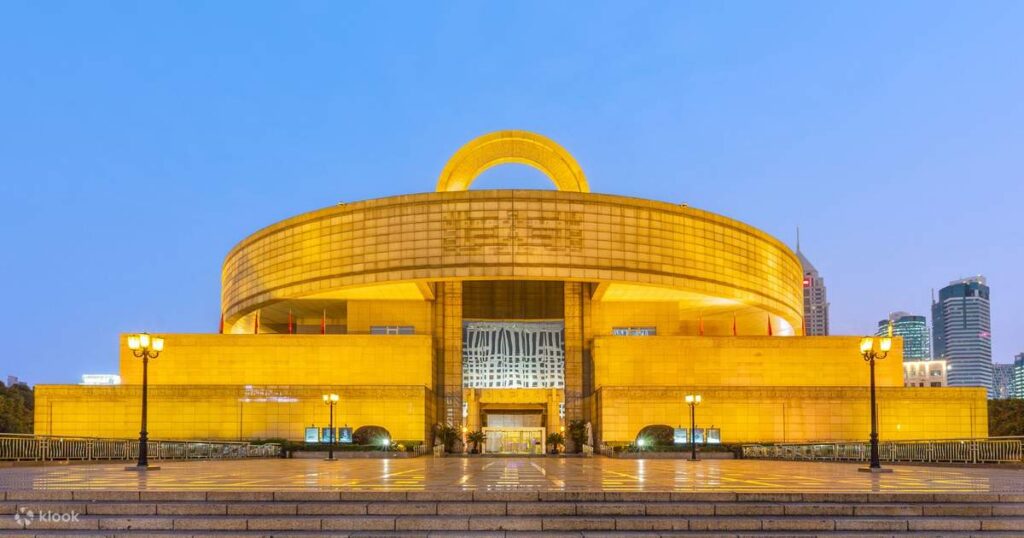
Image Credits: Klook
One of China’s best museums, with a collection spanning ancient bronzes, ceramics, calligraphy and jade. The original People’s Square branch is free; the newer Shanghai Museum East in Pudong is worth the trip if you have time.
- 201 Renmin Avenue, People’s Square, Huangpu
- 9 AM–5 PM (closed Mondays)
- Free
Museum of Art Pudong (MAP)
Image Credits: Klook
A waterfront contemporary art museum designed by Jean Nouvel, with rotating international exhibitions and a glass “Mirror Hall” that frames the Bund across the river. Worth it for the building alone.
- 2777 Binjiang Avenue, Pudong
- 10 AM–9 PM daily
- Varies by exhibition
Shanghai Disneyland
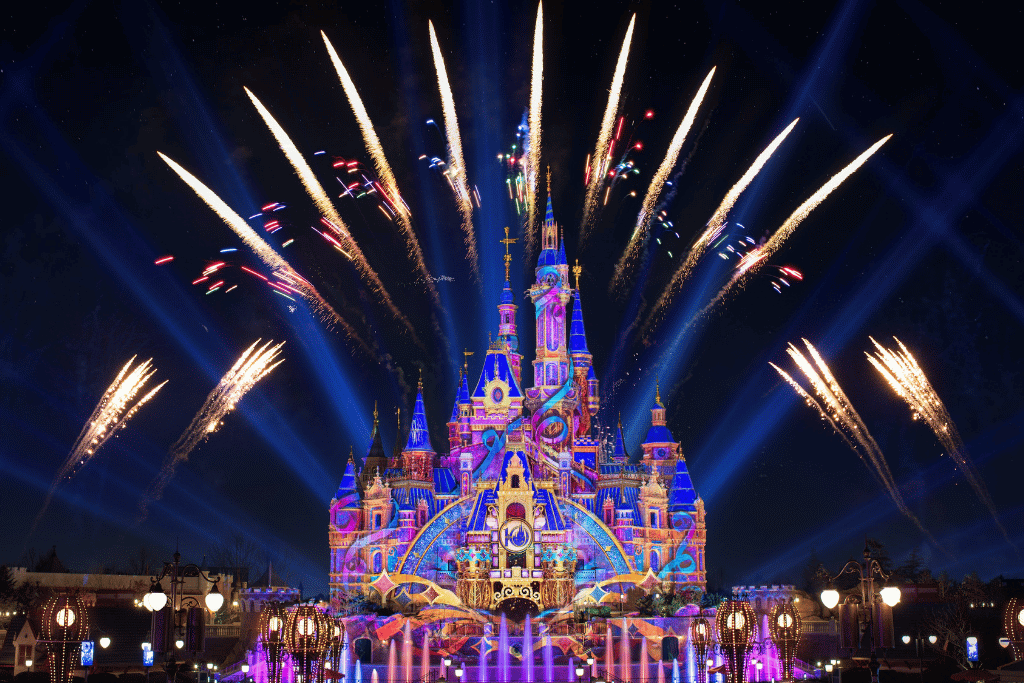
Image Credits: www.shanghaidisneylandresort.com
One of the largest Disney resorts in the world, with a TRON coaster, the towering Enchanted Storybook Castle and a Pirates of the Caribbean ride fans rate as the best version anywhere. Give it a full day.
- Pudong New Area, Shanghai 201205
- Opens around 8:30 AM; closing varies by date (often around 8:30 PM)
- From 475 CNY (~S$90), dynamic pricing
Huangpu River Cruise
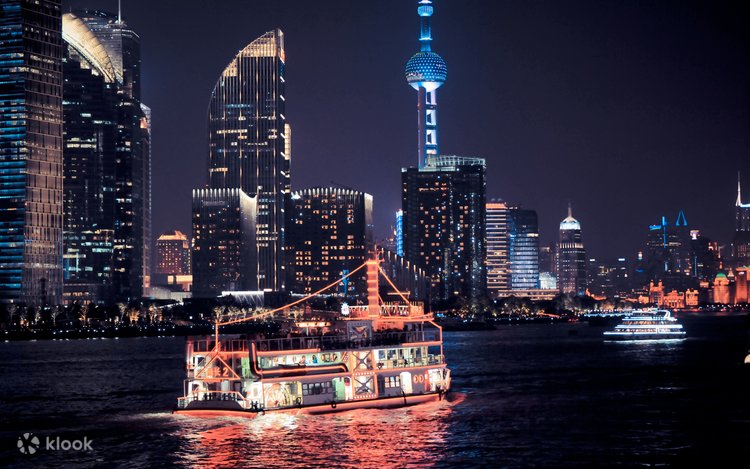
Image Credits: Klook
The classic way to see both skylines at once: old Bund on one bank, neon Pudong on the other. Evening sailings are the prettiest, and trips run from 30 minutes to a few hours.
- Departs from the Bund, Zhongshan Road (E-2)
- Sailings through the day and evening
- From 120 CNY (~S$23); evening cruises ~150 CNY (~S$28)
Related Guide: Heading further south after Shanghai? Our things to do in Shenzhen maps out the tech-city highlights.
Unique Shanghai Experiences & Tours 
Beyond the landmarks, these are the experiences that make Shanghai feel different from any other Chinese city.
Ride the Maglev
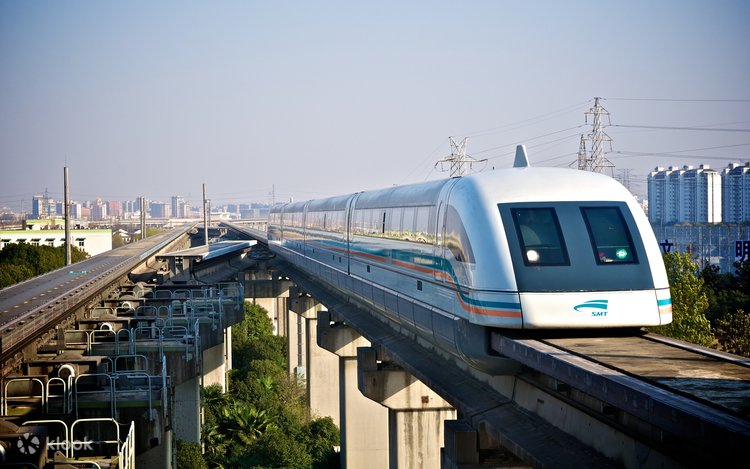
Image Credits: Klook
Shanghai’s magnetic-levitation train hits up to 300 km/h on the run between Pudong Airport and Longyang Road (down from a record 431 km/h before it was dialled back in 2021). The 30-kilometre trip takes about eight minutes, so it’s a fun, fast way to start or end a trip.
- 2100 Longyang Road, Pudong
- Roughly 6:45 AM–9:40 PM
- 50 CNY (~S$9.40) one-way; 40 CNY (~S$7.50) with a same-day air ticket
Shanghai Circus World (ERA: Intersection of Time)
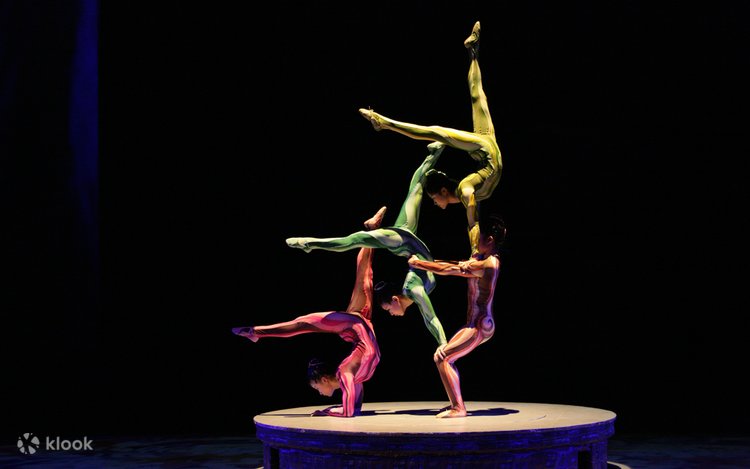
Image Credits: Klook
A high-energy acrobatics show mixing martial arts, contortion and motorbike stunts inside a steel globe. It’s slick, family-friendly and one of the city’s most-booked evening experiences (now staged as ERA’s latest production).
- 2266 Gonghexin Road, Zhabei
- Show typically 7:30 PM
- From 380 CNY (~S$72) per adult
Shanghai Breakfast Street Food Tours
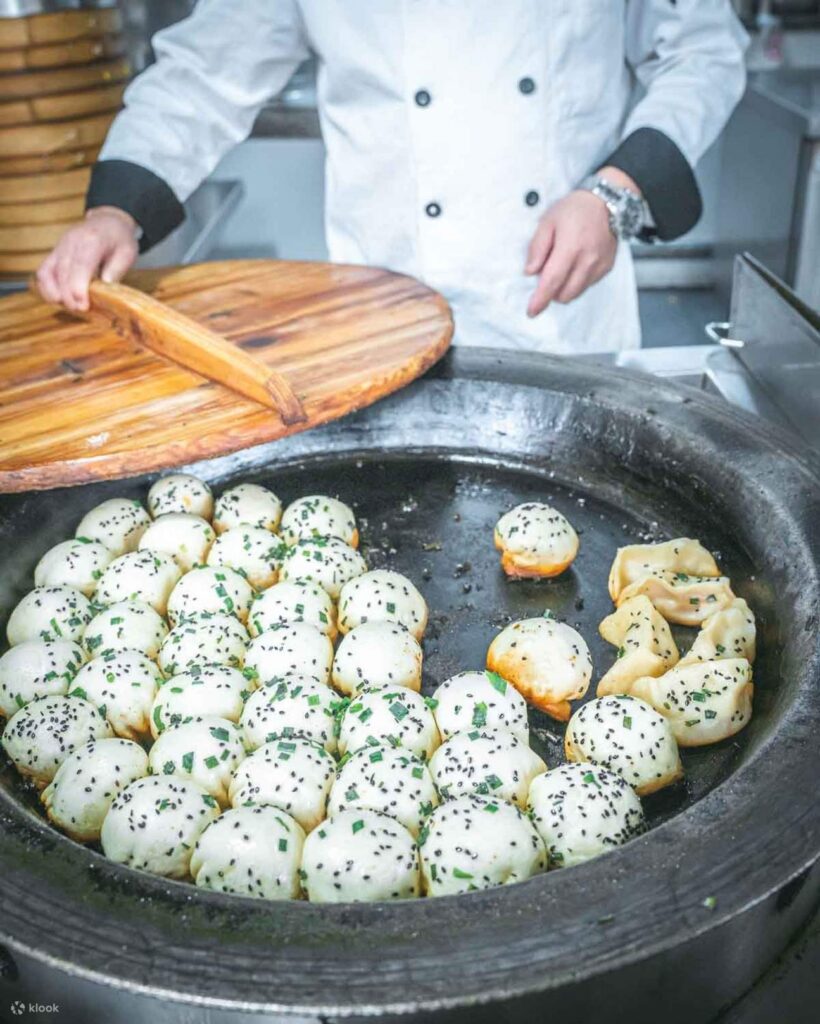
Image Credits: Klook
A guided morning crawl through back-lane stalls for scallion pancakes, dumplings and soy milk, with a local explaining what you’re eating. The easiest way to get over the language barrier and eat well on day one.
- Central districts (operator-dependent meeting point)
- Morning departures
- 525 CNY (~S$99) per person (UnTour Street Eats Breakfast)
Shanghai Marriage Market
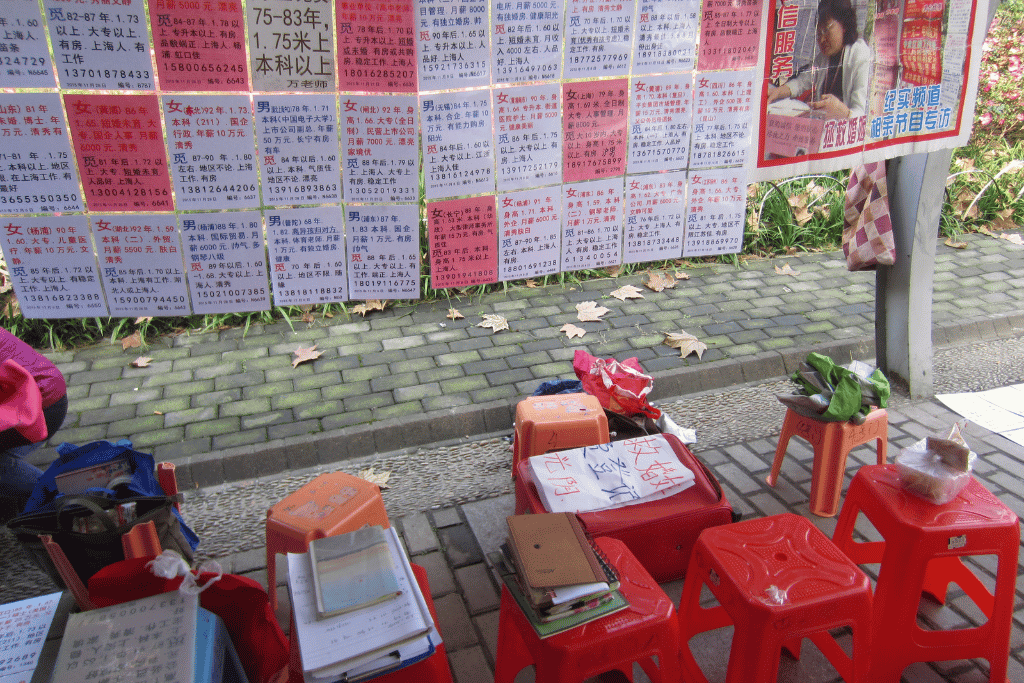
Image Credits: Wikimedia Commons
A weekend curiosity in People’s Park, where parents post umbrellas pinned with their adult children’s height, salary and hobbies, hoping to make a match. Free to wander and oddly fascinating.
- People’s Park, Huangpu
- Best on weekends, roughly 11 AM–6 PM
- Free
Shuiguo Hot Spring (Wujiaochang)

Image Credits: Klook
One of Shanghai’s famous 24-hour bathhouses, and a brilliant budget experience. The 13,000-square-metre complex has hot-spring pools at a toasty 38–41°C, dry saunas and salt and mugwort therapy rooms, plus tented rest zones and even cinemas. Your ticket throws in unlimited fruit, drinks and ice cream, and plenty of travellers use the overnight package as a cheap, comfortable place to crash.
- Wujiaochang, Yangpu (Metro Wujiaochang, Exit 5)
- Open 24 hours
- From 299 CNY (~S$57); overnight package (9 PM–11 AM) ~347 CNY (~S$66)
Related Guide: Pairing Shanghai with the capital? Our things to do in Beijing runs through the Great Wall, hutongs and more.
Shanghai Food & Culinary Highlights 
Shanghai’s food alone justifies the trip. Soup dumplings are the headliner, but the noodles, hairy crab and street eats are where locals actually spend their money.
Xiaolongbao at Guyi Garden (and the wider dumpling trail)
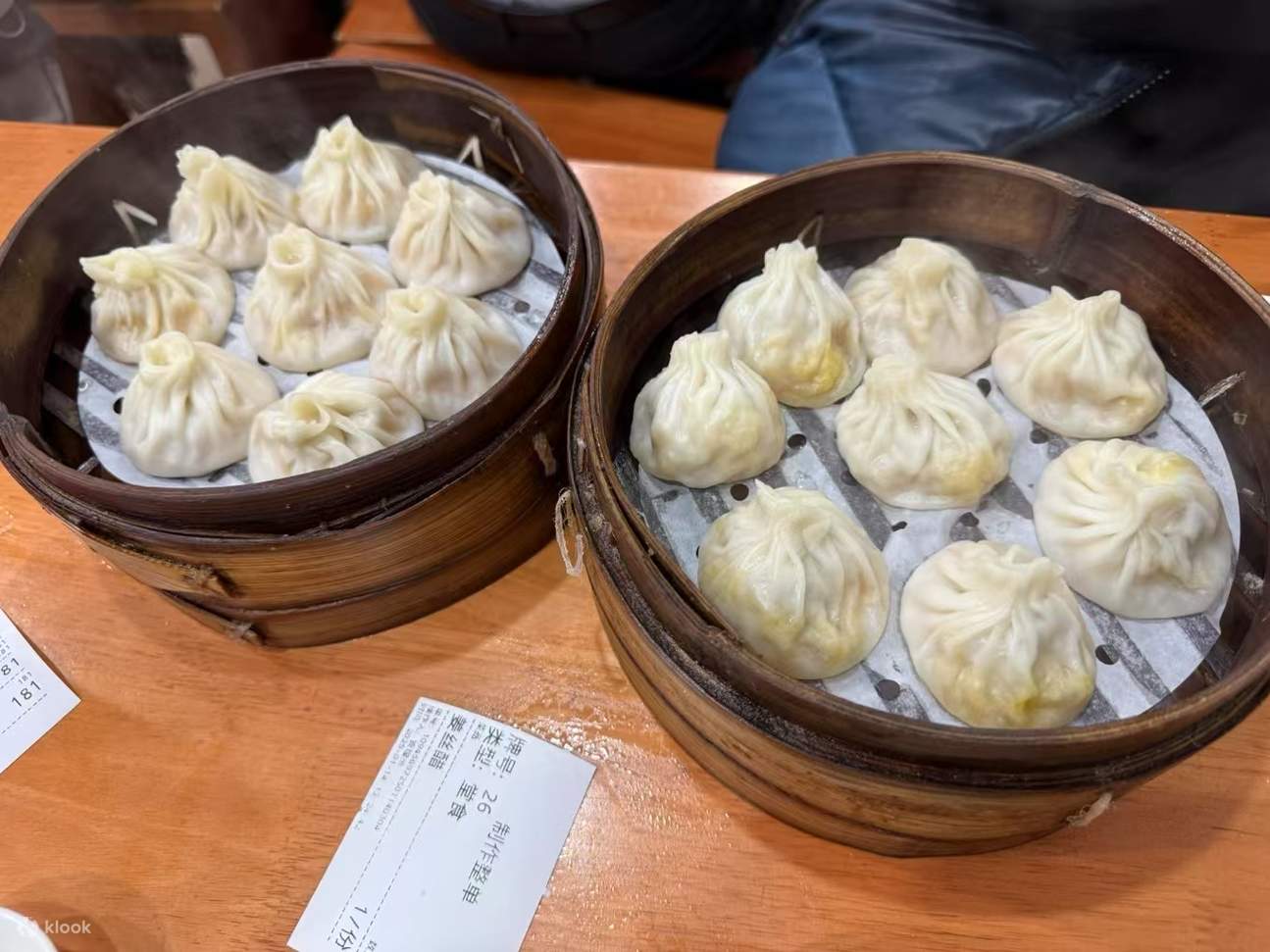
Image Credits: Klook
Guyi Garden is a long-standing spot for delicate, thin-skinned soup dumplings. For a viral crawl, creators consistently point to Lai Lai for crab-and-pork xiaolongbao and Nanxiang in the old town. Order to watch them wrapped fresh.
- 218 Huyi Highway, Jiading
- 10 AM–9:30 PM
- Around 30–60 CNY (~S$6–S$11) per basket
Steamed Hairy Crab at Wang Bao He
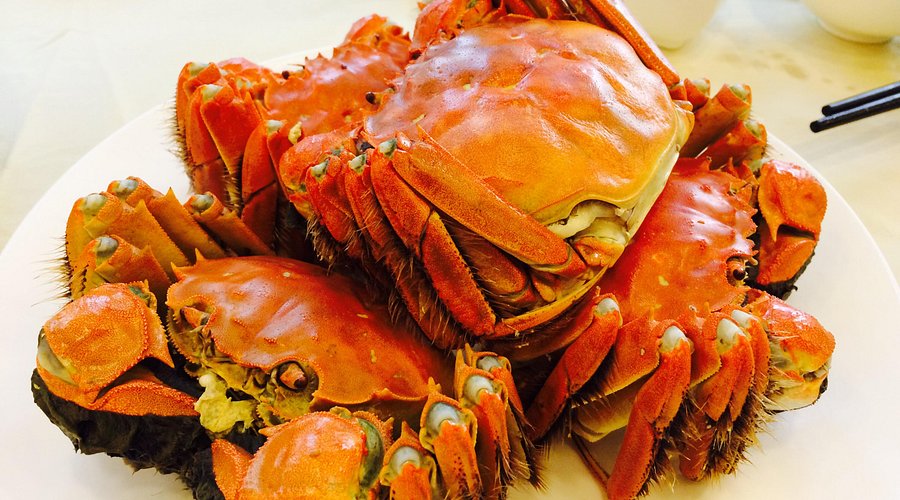
Image Credits: Tripadvisor
A centuries-old restaurant famous for hairy crab, traditionally paired with warm Shaoxing wine. Note the season: hairy crab is at its best in autumn, roughly September to November, so it’s a seasonal treat rather than a year-round one.
- 555 Jiujiang Road, Huangpu
- 11 AM–1:30 PM, 5–9 PM
- Seasonal market price
Pan-Fried Buns at Shu Cai Ji
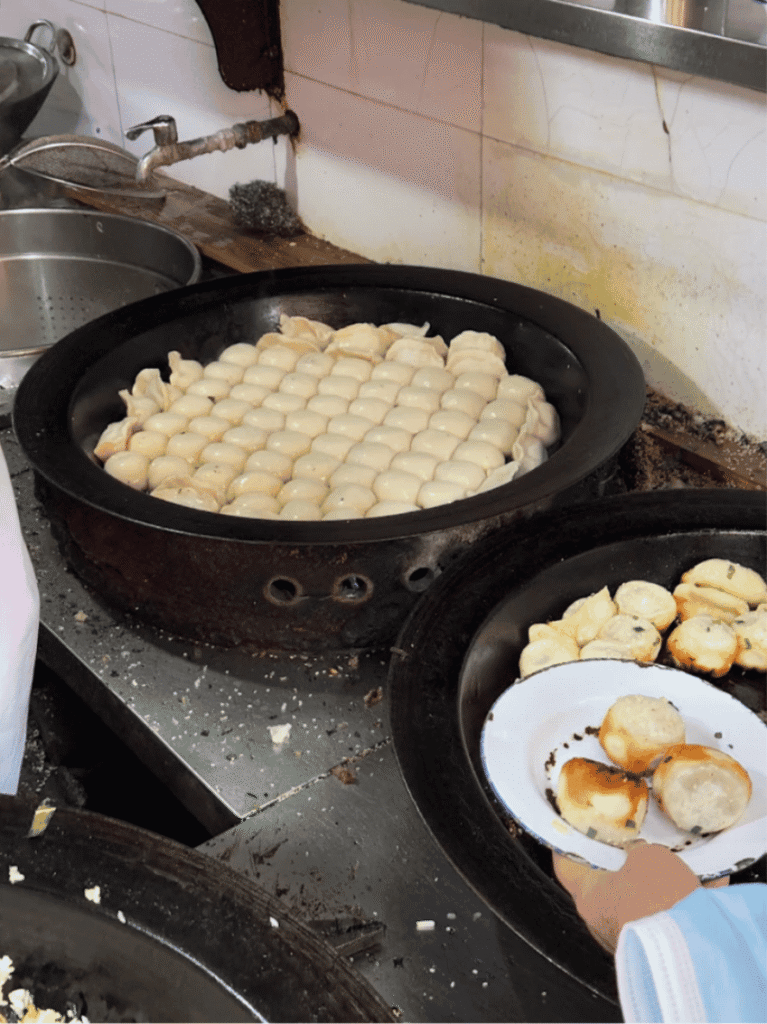
Image Credits: 大緯楊 on Google Reviews
A hole-in-the-wall going since the 1980s, known for shengjianbao, crispy-bottomed pork buns filled with hot broth. Bite carefully; they squirt.
- 146 Yunnan Middle Road, Huangpu
- Morning to early evening
- Around 8–15 CNY (~S$1.50–S$3)
Xie San Bao
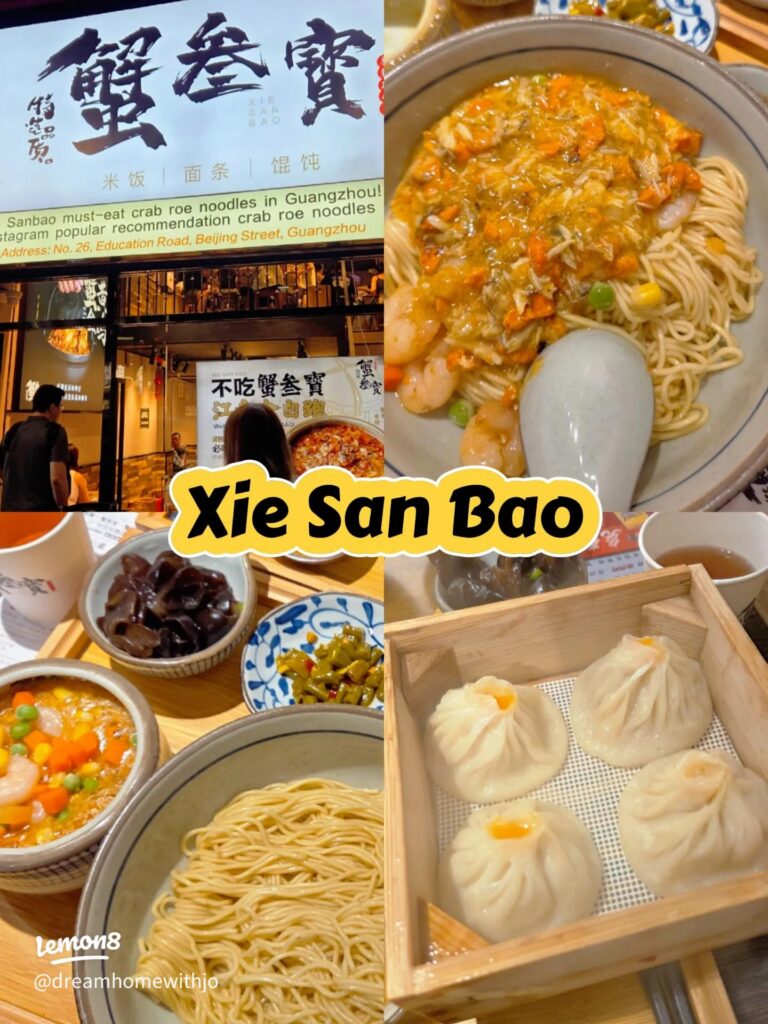
Image Credits: @dreamhomewithjo on Lemon8
Crab-everything specialist, best known for a bowl said to pack the meat of several crabs into a single serving. A favourite of SE-Asian creators for good reason.
- 388 Madang Road, SOHO Fuxing Plaza, Huangpu
- 11 AM–10 PM (from 10 AM weekends)
- Mid-range
Hu Xi Lao Long Tang
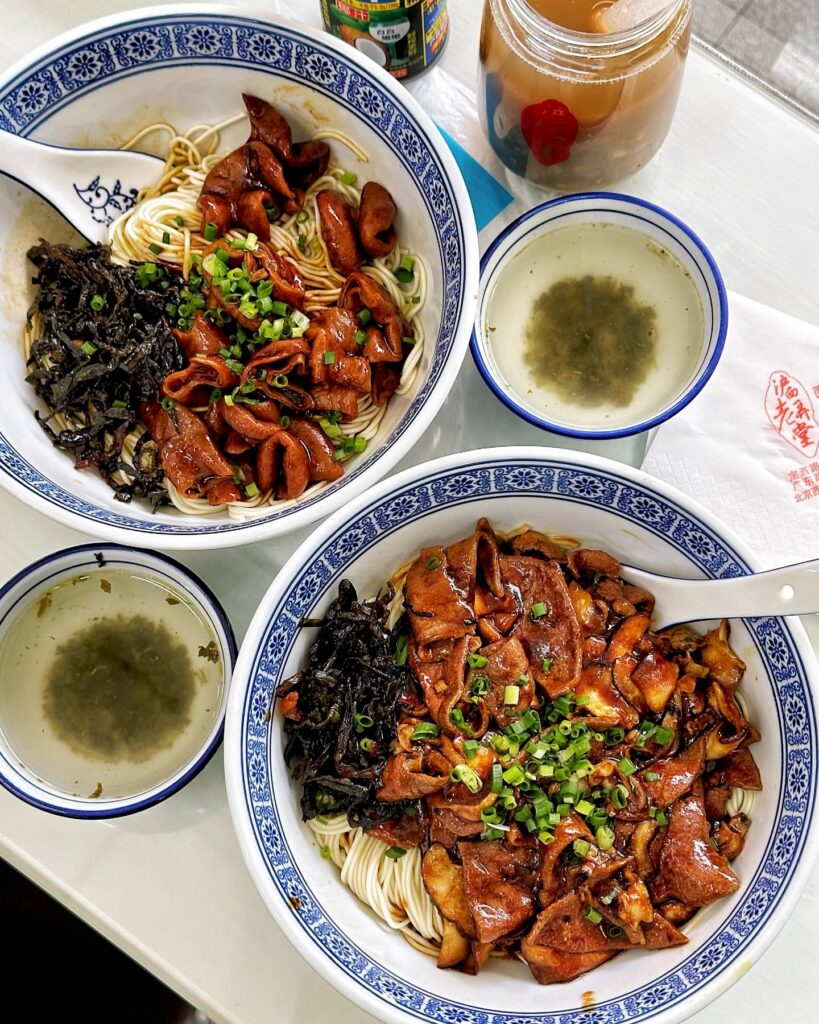
Image Credits: jin loves to eat on Facebook
Locals swear by the pork-liver noodles here, tender and clean rather than funky, cut with black rice vinegar. An unsung neighbourhood favourite.
- 685 Dingxi Road, Changning
- 10 AM–2:30 PM, 3:30–8:30 PM
- Budget
Xian Yun Wu Di Chui Zi Hotpot
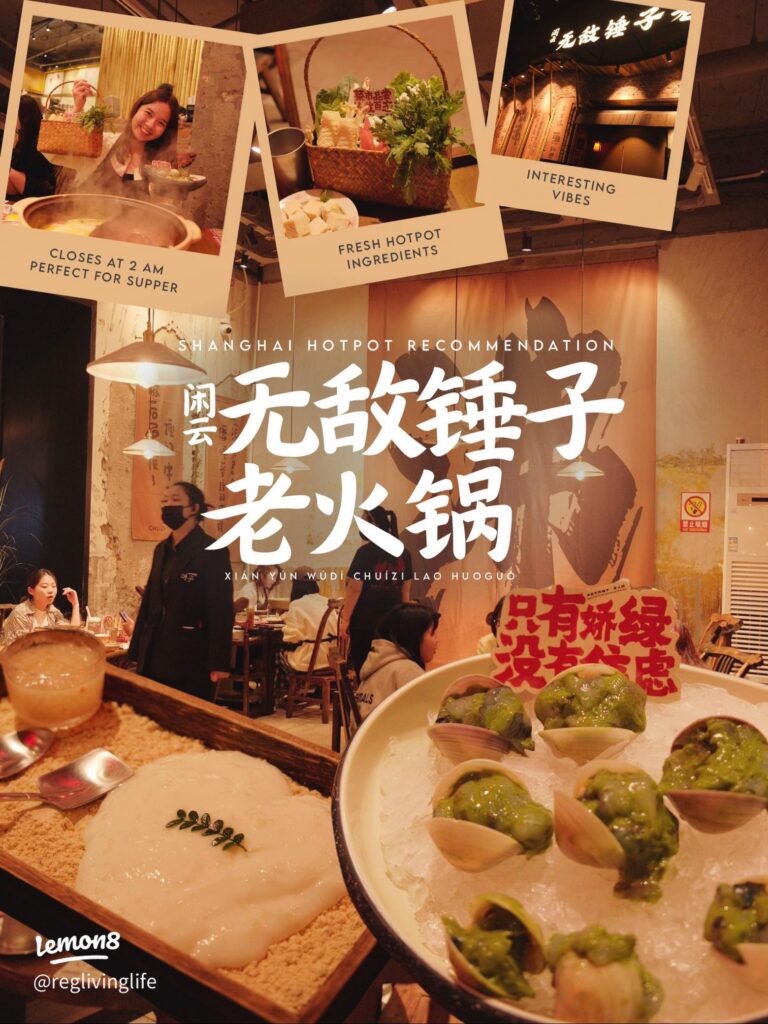
Image Credits: @reglivinglife on Lemon8
A cheap, social hotpot spot that draws students and night-owls well into the small hours. You build your own pot from a spread of meats, greens and handmade balls, with broths starting from just a few dollars, then dip and chat your way through the evening. It’s nothing fancy, just the kind of low-key, late-night Shanghai meal you’ll remember.
- 1100 Dingxi Road, Changning
- To 2 AM most nights
- Broths from ~S$4
Apoli Itabakery
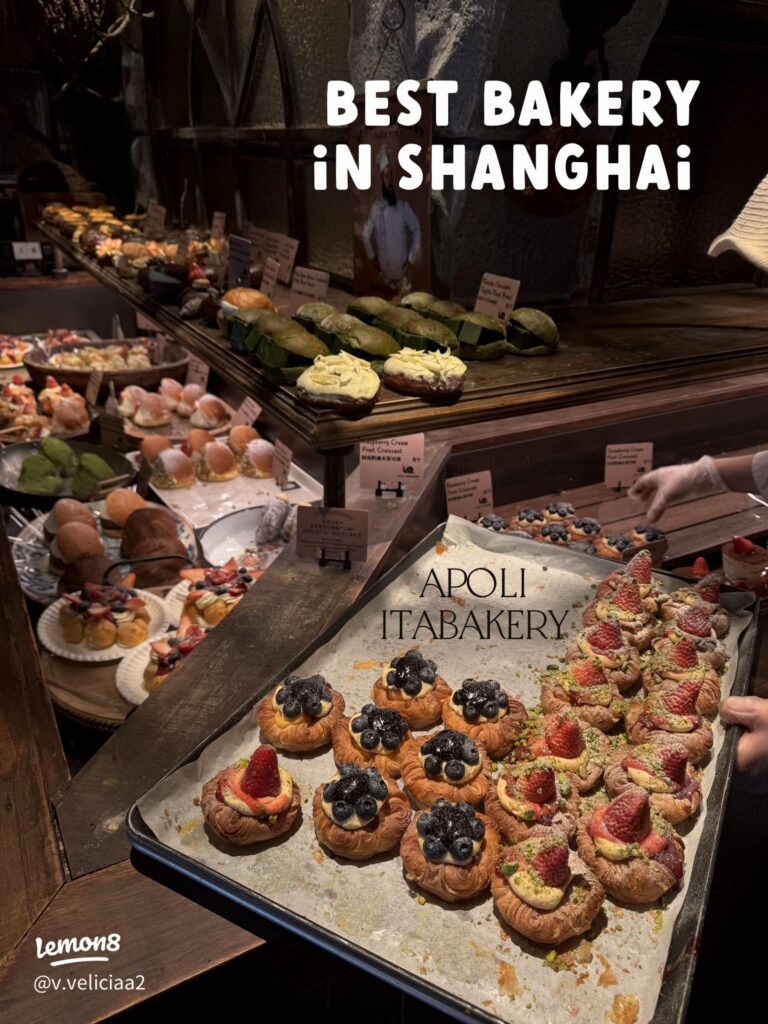
Image Credits: @v.veliciaa2 on Lemon8
Come for the laminated pastries, brace for the weekend queue. This Changning bakery built its name on flaky, butter-heavy croissants and seasonal Danishes, and the morning trays sell out fast. Grab a coffee, snag a window seat if you can, and treat it as a slow start before walking the leafy former-Concession streets nearby.
- 380 Xingguo Road, Changning
- 10 AM–10 PM daily
- Budget
Butterfull and Creamorous
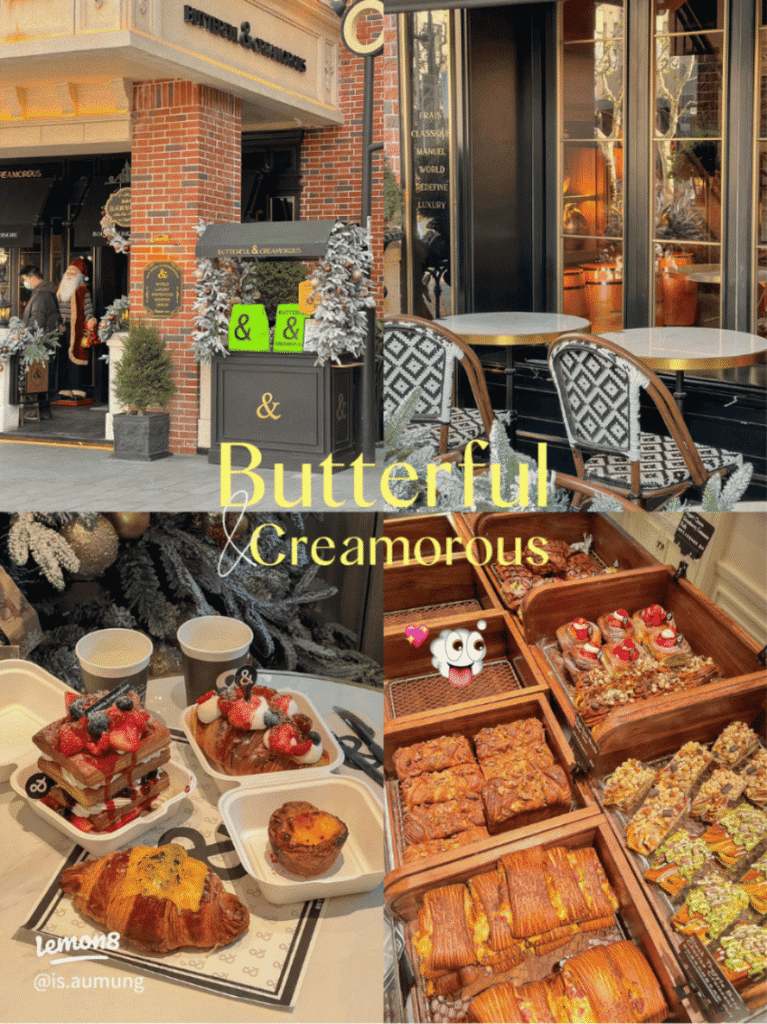
Image Credits: @is.aumung on Lemon8
A pastry shop with a real cult following, best known for butter-heavy croissants and the viral cream buns that fill social feeds. The croissants are crisp and properly laminated; the cream buns come in rotating flavours worth queuing for. With branches around the city, including Xintiandi, it’s an easy sweet stop between sightseeing.
- Multiple locations (Xintiandi Style and others)
- 11 AM–10 PM daily
- Budget
Related Guide: Chasing more of China’s food scene? Our things to do in Chengdu is a hotpot-and-pandas deep dive.
Trendy Neighbourhoods & Hidden Gems 
This is where Shanghai gets addictive: shikumen lane districts, art warehouses, and a café-and-boutique scene creators can’t stop filming.
Tianzifang
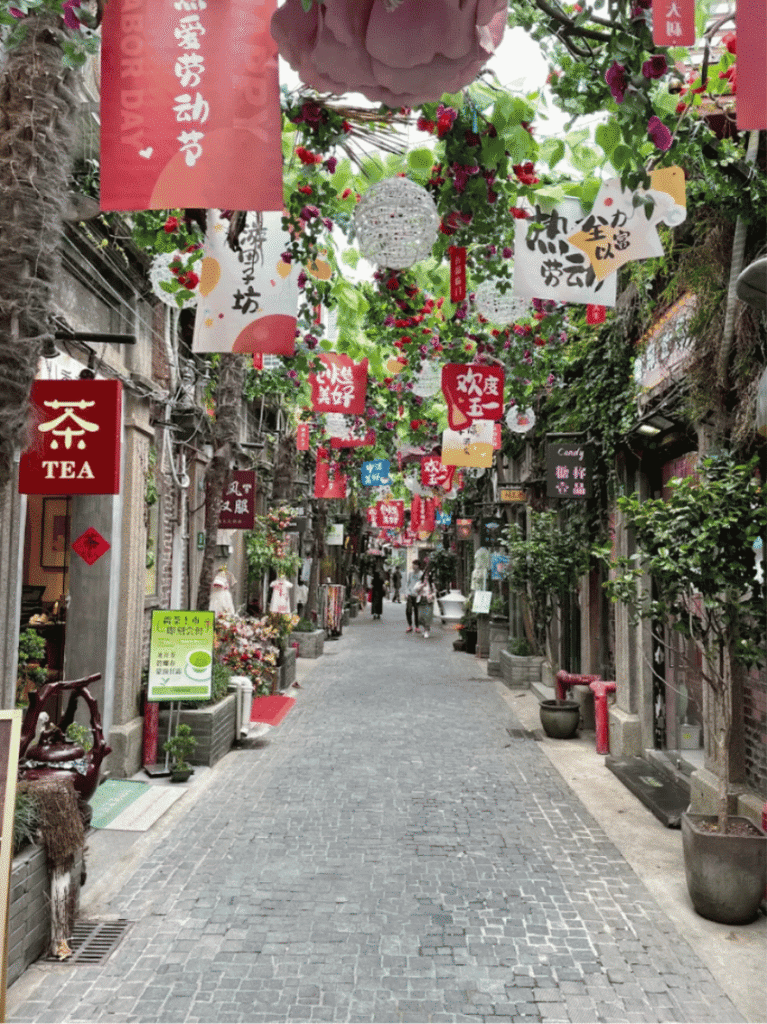
Image Credits: 朝昌未來 on Google Reviews
A maze of restored shikumen alleys packed with indie boutiques, craft studios, tea houses and tiny bars. It’s touristy and tight, but good fun to get lost in, and best in the late afternoon when the lanes light up and the bars fill. Come for the wandering and the people-watching rather than any single shop; the warren itself is the draw.
- 210 Taikang Road, Huangpu
- Shops roughly 10 AM–10 PM
- Free to wander
Xintiandi
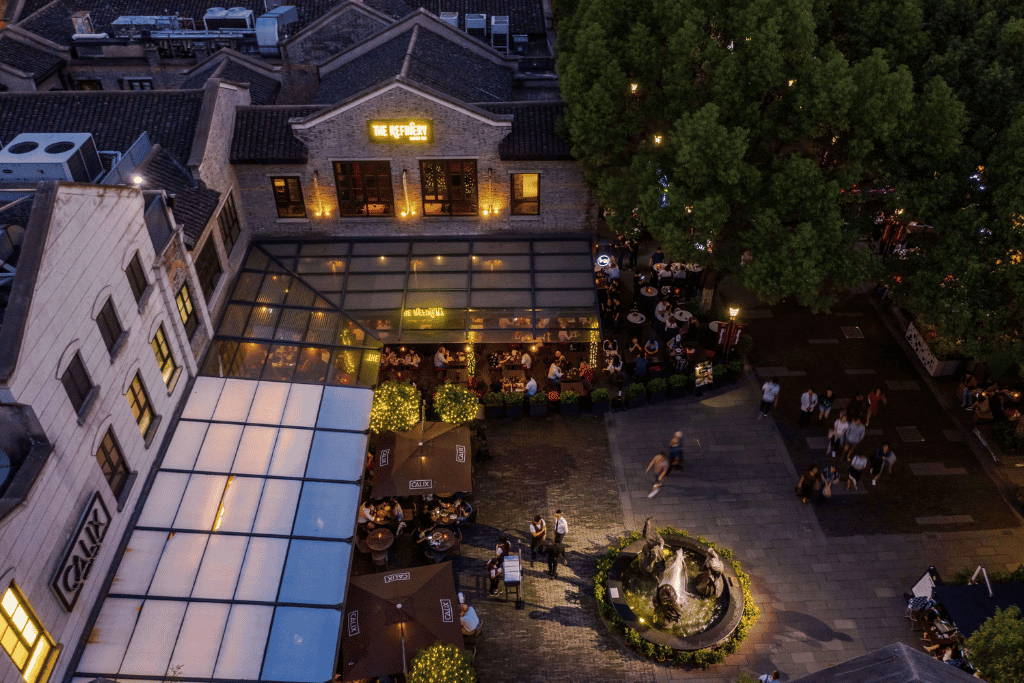
Image Credits: xintiandi.com
Restored shikumen lane houses, now polished and pedestrianised into a smart strip of cafés, restaurants, bars and design shops. It’s pricier than the rest of the city, but a pleasant evening stroll, and the site of the First National Congress of the Communist Party sits right alongside, so there’s history beneath the gloss. Come after dark, when the terraces and bars come alive.
- Lane 181, Taicang Road, Huangpu
- Open daily (venue hours vary)
- Free to enter
M50 Creative Park
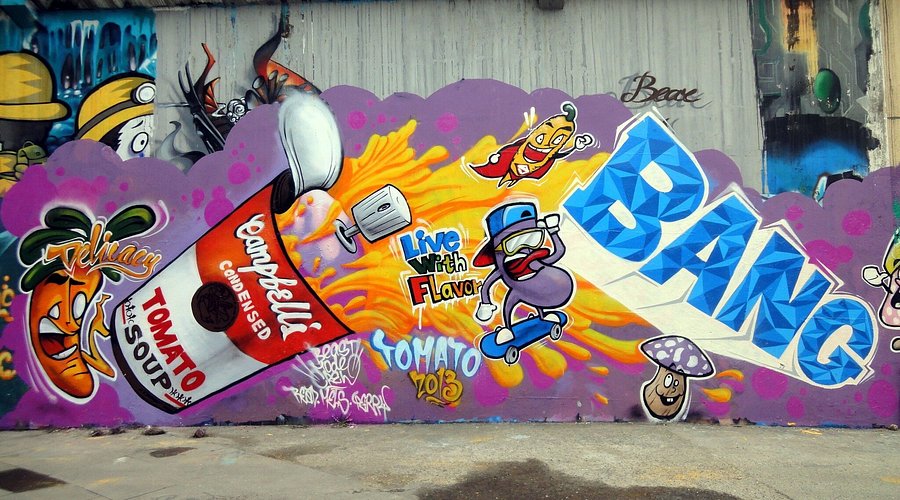
Image Credits: Tripadvisor
Galleries, working studios and street art fill a former textile mill along Suzhou Creek. It’s Shanghai’s contemporary-art hub, free to wander and refreshingly low-key: browse independent galleries, watch artists at work, and photograph the graffiti-covered walls without a crowd. A favourite of the design set, and an easy hour or two off the tourist trail.
- 50 Moganshan Road, Putuo
- Galleries roughly 10 AM–5 PM (many closed Mondays)
- Free
Zhang Yuan
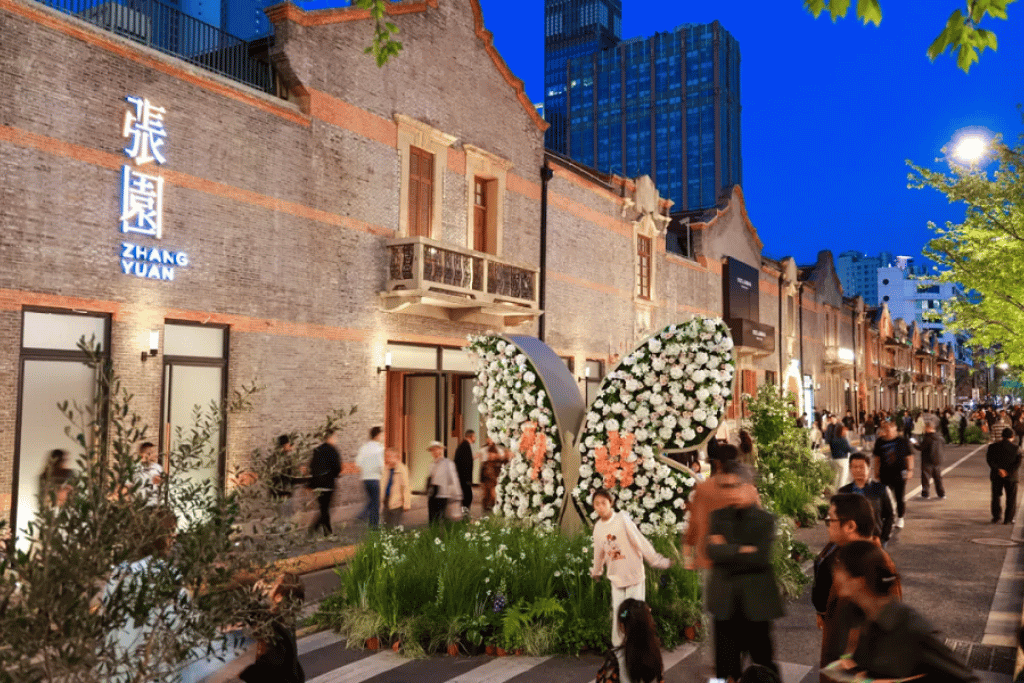
Image Credits: International Services Shanghai
A cluster of beautifully restored shikumen mansions dating to 1882, reborn as a luxe shopping-and-dining enclave near West Nanjing Road. Heritage architecture meets flagship boutiques and rotating art installations, and it’s worth a wander for the buildings alone even if the price tags aren’t for you. Time it for the evening, when the lanes are lit and quieter.
- Lane 588, Weihai Road, Jing’an
- Open daily (venue hours vary)
- Free to enter
Changle Road
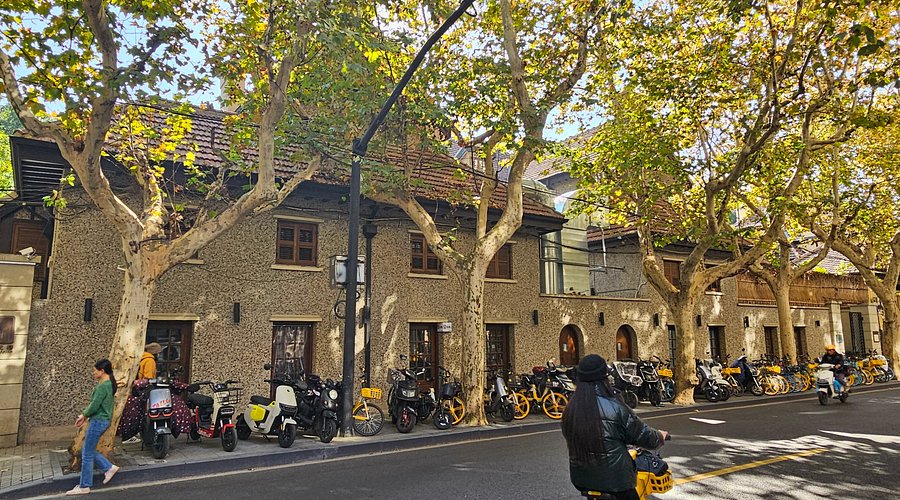
Image Credits: Tripadvisor
A leafy former-Concession street lined with independent designers, vintage stores, record shops and small-batch coffee spots. It’s the antidote to the big malls: low-rise, walkable and full of one-off finds, with plane trees overhead and a café on every block. Prime territory for an aimless afternoon, ideally strung together with nearby Anfu and Wukang Roads.
- Changle Road, Jing’an / Xuhui
- Shops roughly 11 AM onwards
- Free
Anfu and Wukang Road
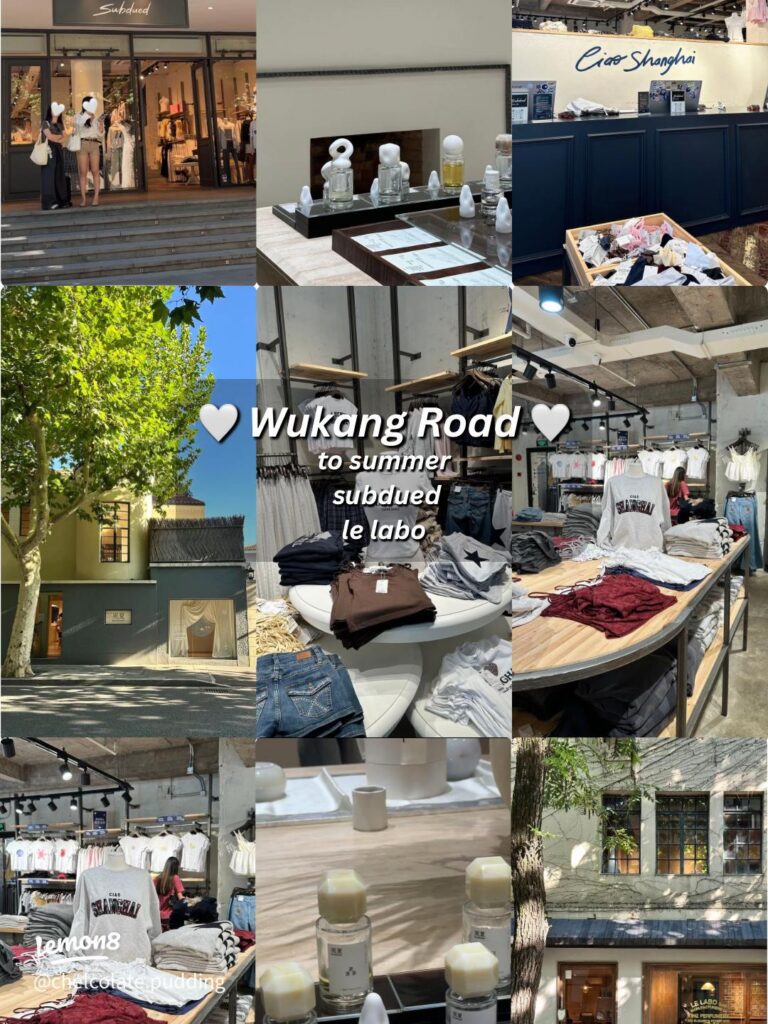
Image Credits: @chclcolate.pudding on Lemon8
The boutique trail creators name most, all in the leafy former French Concession. Anfu Road is lined with concept stores, wine bars and some of the city’s best cafés, while Wukang Road leads to the photogenic, ship-shaped Wukang Mansion, Shanghai’s most Instagrammed building. This is peak slow-Shanghai: wander, browse, and stop for coffee whenever the mood strikes.
- Anfu Road and Wukang Road, Xuhui
- Shops roughly 11 AM onwards
- Free
Shanghai Greenhouse Garden
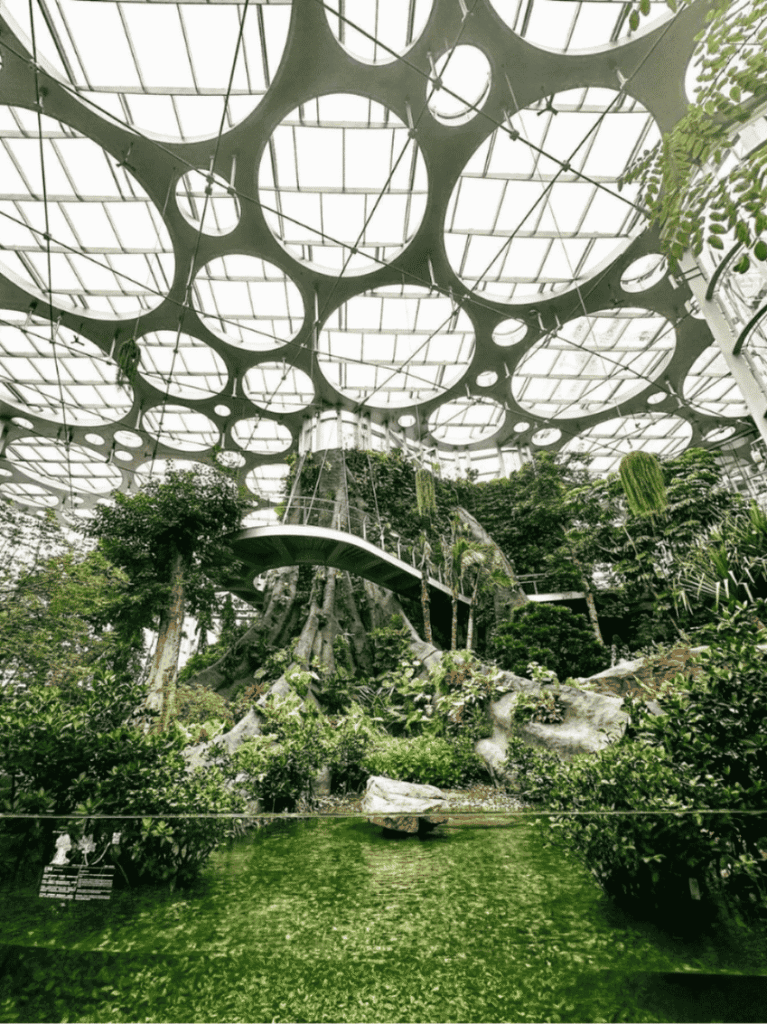
Image Credits: Smart Shanghai
Inside Expo Culture Park, this vast botanical glasshouse is divided into themed zones, from desert succulents to tropical jungle, with quiet corners and water features throughout. It’s a proper green escape from the concrete, and an easy win on a hot or rainy day or with kids in tow. Pair it with a stroll through the wider park, one of the city’s newest.
- 100 Jikun Road, Expo Culture Park, Pudong
- 9 AM–5 PM (closed Mondays)
- Entry fee applies
Coffee Cube at Lujiazui Green Space
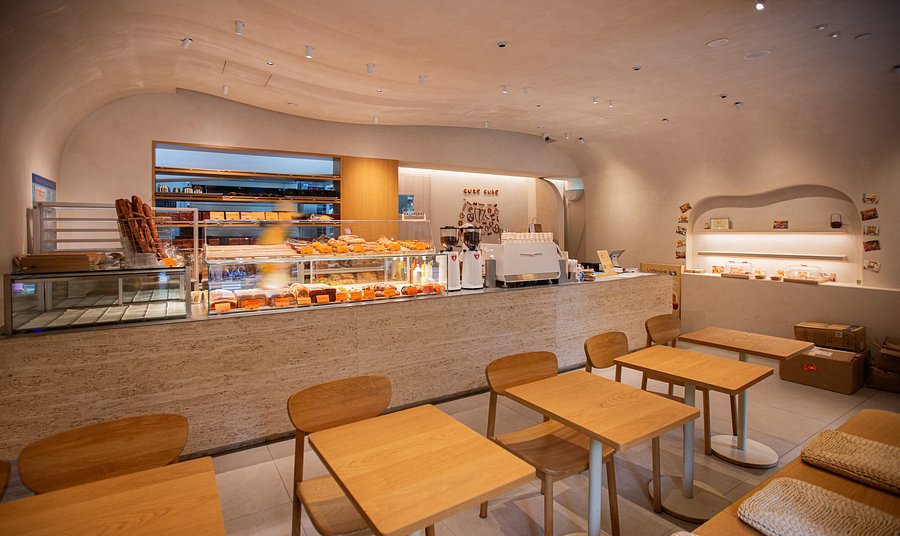
Image Credits: Tripadvisor
A pocket of cafés tucked into a park right beneath the Pudong skyscrapers, with a line-up of local and international roasters that rotates every couple of months. Grab a flat white and sit on the lawn with the Shanghai Tower and the “bottle-opener” SWFC looming overhead. It’s a rare slow, green spot in the middle of the financial district.
- 717 Lujiazui Ring Road, Pudong
- Varies by café
- Café prices
Related Guide: Timing your trip for the blooms? Our China cherry blossom guide covers the prettiest spots and dates.
Shanghai Day Trips & Water Towns 
When you’ve had enough of the skyline, two easy escapes show a softer, older side of the region.
Zhujiajiao Water Town
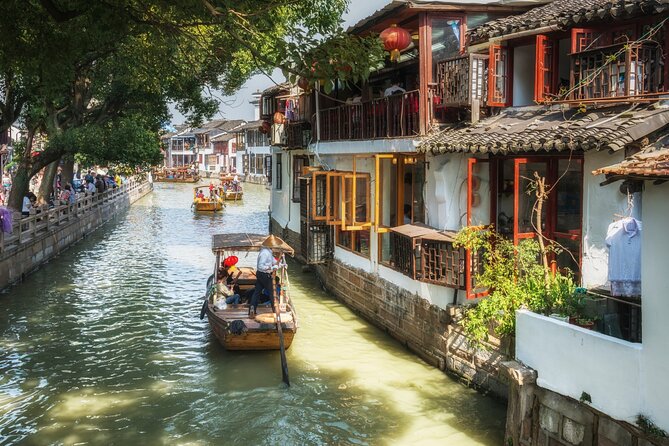
Image Credits: Tripadvisor
A 1,700-year-old canal town often called the “Venice of Shanghai”, laced with stone bridges, wooden boats and teahouses. Cross the landmark five-arch Fangsheng Bridge, drift the canals on a wooden gondola, wander the old North Street for snacks, and duck into the Kezhi Garden or the riverside City God Temple. It’s about an hour out on Metro Line 17 (Zhujiajiao Station), and makes a relaxed half-day from the city
- Zhujiajiao, Qingpu District (Metro Line 17)
- Roughly 8:30 AM–5 PM (individual sites vary)
- Free to enter; some buildings charge admission
Day Trip to Suzhou
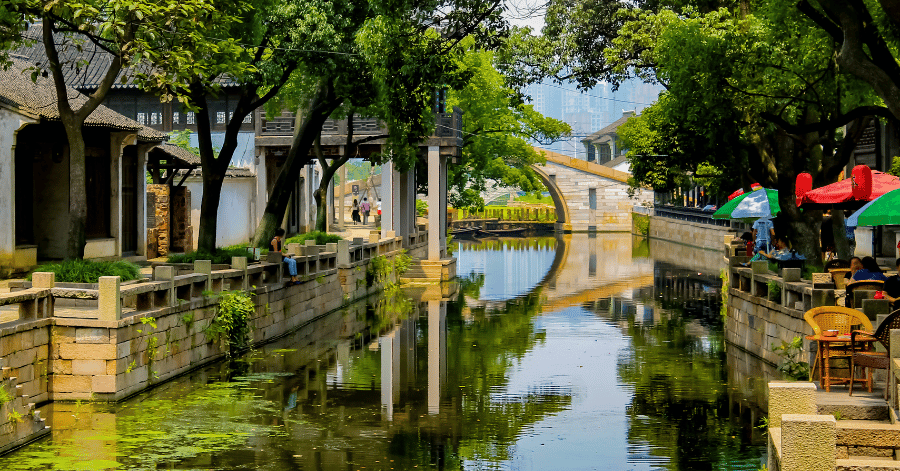
A short high-speed train ride lands you in Suzhou, the “Venice of the East”, famed for its UNESCO-listed classical gardens. Spend the morning in the Humble Administrator’s Garden, the grandest of them, then wander the canal-side Pingjiang Road for tea, silk and snacks. It’s an easy full day if you start early, and a gentle, green contrast to Shanghai’s pace.
- Suzhou (via Shanghai Hongqiao high-speed rail)
- Trains run frequently through the day
- Train fare plus garden entry
Related Guide: Need cash for the cash-only corners? Our China ATM withdrawal guide breaks down fees and limits.
Is Shanghai Expensive? Costs & Paying in a Cashless City
Shanghai is mid-range by Asian-capital standards: cheaper than Tokyo or Singapore for food and transport, pricier than most of Southeast Asia for hotels and big attractions. You can eat a great bowl of noodles for a couple of dollars and ride the Metro for under a dollar a trip, then pay big-city prices for a tower deck or a Disney ticket.
Here’s roughly what things cost:
| Item | Cost |
|---|---|
| Metro ride | 3–9 CNY (~S$0.60–S$1.70) |
| Street-food breakfast | 8–20 CNY (~S$1.50–S$3.80) |
| Sit-down meal for one | 50–120 CNY (~S$9–S$23) |
| Shanghai Tower deck | From 180 CNY (~S$34) |
| Shanghai Disneyland | From 475 CNY (~S$90) |
| DiDi across town | 30–60 CNY (~S$6–S$11) |
The bigger thing to plan for is how you pay. Shanghai is almost entirely cashless, and it runs on Alipay and WeChat Pay. Many stalls, taxis and small shops won’t take physical cash at all. The good news is you don’t need a Chinese bank account: you can link an overseas card to either app and pay by QR like a local.
This is where a YouTrip card pays off. Link it to Alipay or WeChat Pay before you fly, and you tap or scan your way through the city with no foreign transaction fee — every Chinese yuan spend auto-converts from your SGD at the Mastercard wholesale rate, instead of the 3–3.5% a typical credit card adds on overseas spends.
For the cash-only holdouts (a temple donation, a rural teahouse), withdraw a little yuan from an ATM when you land. Your first S$400 of overseas ATM withdrawals each month is free with YouTrip, then a flat 2% after, which still beats a money changer quietly marking up the rate.
For deeper detail before you go, see our SGD to CNY rate guide and our guide to using Alipay in China.
Shanghai FAQ
Yes, especially for a first trip into mainland China. It’s the country’s most foreigner-friendly city, with English Metro signage, one of the world’s largest subway networks and a dense mix of landmarks, food and nightlife. The blend of historic gardens and futuristic skyline is what makes it stand out.
Three days is enough to cover the essentials without rushing: old Shanghai (Yu Garden, the Bund, Nanjing Road) on day one, modern Pudong on day two, and the lane districts plus a food crawl on day three. Add days only if you want water-town day trips or a slower pace.
Two days works if you stay central. Spend one day on the Bund, Yu Garden and Nanjing Road, and the second on Pudong’s towers and a river cruise. You’ll miss the day trips and the slower neighbourhoods, but you’ll see the headline sights.
The Bund at dusk, Yu Garden, a view from Shanghai Tower or the Oriental Pearl, and at least one proper xiaolongbao crawl. If you have a spare half-day, Zhujiajiao water town is the easiest escape from the city.
It’s mid-range. Food and transport are cheaper than Tokyo or Singapore (street meals run a few dollars, the Metro is under a dollar a ride), while hotels and headline attractions (the tower deck, Disneyland) sit at big-city prices. Paying by linked card on Alipay or WeChat Pay with no FX fee keeps costs down.
Barely. Shanghai is near-cashless and runs on Alipay and WeChat Pay, both of which accept a linked overseas card. Carry a small amount of yuan for the rare cash-only spot, but you’ll pay by QR for almost everything.
The Pearl of the Orient Delivers
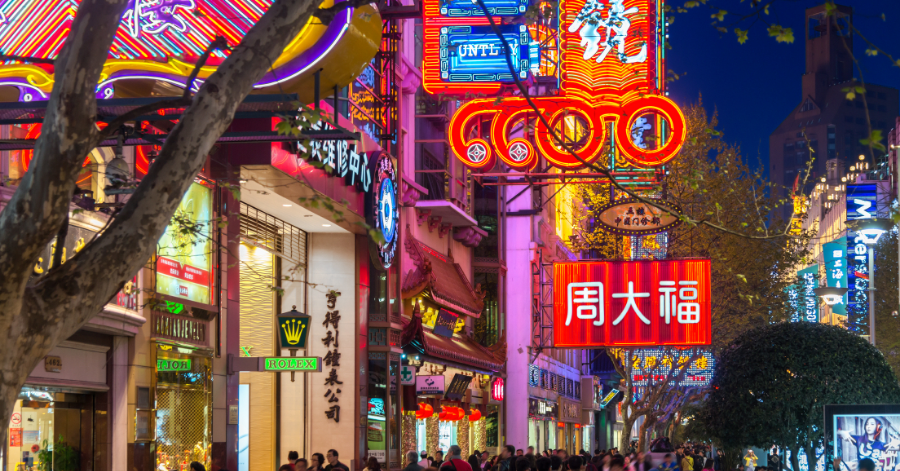
Shanghai rewards both the planner and the wanderer: tick off the Bund and the Tower, then let the lane districts and dumpling stalls fill in the rest. Sort your payments before you fly, and the only thing left to decide is how many baskets of xiaolongbao is too many.
Not a YouTrooper yet? Singapore’s go-to multi-currency wallet helps you save with great FX rates and zero fees. Skip the money changer and get a free YouTrip card + S$5 YouTrip credits with code YTBLOG5.
Then, head over to our YouTrip Perks page for exclusive offers and promotions — we promise you won’t regret it. Join our Telegram (@YouTripSG) and Community Group (@YouTripSquad) for travel tips, event invites, and more!
Happy travels!


The post 31 Things to Do in Shanghai (2026): Attractions, Food & Gems appeared first on YouTrip Singapore.


You May Also Like

SoftBank (SFTBY) Stock; Slips Slightly as Firm Seeks Tepco Stake to Power AI Data Centers

Crypto Market Drops as Fear Grows and Major Assets Decline

Best Mobile User Retention Tools in 2026



