

Elon Musk: The trillionaire who cannot spend his trillion
Elon Musk is the richest person on the planet. Yet, the irony is that he cannot get his hands on most of his own money.
On June 12, 2026, Musk became the first person in history to be worth a trillion dollars (RM4.1 trillion). The internet did what the internet does. One half threw confetti, the other half reached for the pitchforks, and a familiar question trended: how can one man sit on that much while the rest of us ration petrol?
It may be a natural instinct, but it is also a misunderstanding of what this fortune actually is.
His net worth crossed the line not because a trillion dollars landed in his bank account, but because his rocket company SpaceX held its initial public offering (IPO), the largest in history, raising about US$75 billion (RM311 billion) and valuing the firm near US$1.77 trillion (RM7.3 trillion).
Musk owns roughly 41% of SpaceX and 20% of Tesla. His “wealth” is simply the market price of those shares multiplied by the number he holds, recalculated every second the market is open.
Here is the part that should puncture the outrage. Between June 16 and 23, as SpaceX shares wobbled and Tesla slid, Musk’s net worth fell from a peak of US$1.32 trillion (RM5.5 trillion) to US$1.08 trillion (RM4.5 trillion). That is a loss of around US$240 billion, or nearly RM1 trillion, in a single week.
He shed roughly the entire market value of IBM, the American technology giant, in seven days.
He did nothing. He sold nothing. No money left a vault, because there is no vault. The number simply moved, the way it always does.
That alone tells you “trillionaire” is a headline, not a bank balance.
Most of Musk’s fortune is not money, not cash. It is equity in companies he runs, and he draws no salary from them.
Douglas P. McCormick, chief investment officer of Oridian Capital Partners, put it plainly in Fortune this week. Musk, he wrote, “draws no salary, can’t sell his shares without collapsing their value, and his net worth depends on bets that haven’t paid off yet.”. He is right on the money.
The part about not being able to sell is not a figure of speech. It is the iron law of very large positions.
Why can’t he simply sell his shares? Picture Musk trying to turn even a tenth of his Tesla stake into cash tomorrow. The moment that much stock floods the market, buyers thin out and the price caves in, so the more he sells, the less each share is worth.
A paper trillion does not survive contact with the sell button. Freshly floated SpaceX shares make it worse still, as IPO rules lock insiders in for 90 to 180 days, so he legally cannot offload the bulk of them at all right now.
We have seen the proof with our own eyes. When Musk bought Twitter for US$44 billion (RM182 billion) in 2022, the richest man on earth could not simply write a cheque. He sold about US$22.9 billion (RM95 billion) of Tesla stock and borrowed roughly US$13 billion (RM54 billion) from banks to get the deal done.
Let that sink in. The wealthiest person alive had to sell down and borrow heavily to buy a single website, because his riches were never sitting in cash.
Which brings us to the most counter-intuitive truth of all. Plenty of people far below Musk on the rich list command more genuinely spendable wealth than he does.
Take Bill Gates. Over two decades he deliberately sold down his Microsoft shares and spread the proceeds across public shares, bonds, farmland and property through his firm Cascade Investment, worth about US$115 billion (RM476 billion) today. A large slice of that sits in liquid holdings and cash he can actually deploy at will.
Or Warren Buffett. The Berkshire Hathaway empire he built sits on a record US$397 billion (RM1.6 trillion) in cash and short-term government bills, not a share price flickering on a screen. His own fortune is a diversified conglomerate he can sell into deep markets, and he has given away tens of billions in shares over the years.
Musk is the mirror image: asset rich and cash poor. He has pledged about 236 million of his Tesla shares to banks as collateral to borrow against for his projects and himself, because raising cash without selling it means borrowing against the stock instead.
Reflect on that: a man can be worth a trillion on paper and still pawn his shares for walking-around money.
So before we cheer or curse the world’s first trillionaire, we should be honest about what we are staring at. It is not a Scrooge McDuck vault of gold coins. It is a scoreboard, and scoreboards can be wiped clean in a week.
Envy him if you must. Just remember that the man with a trillion dollars cannot spend most of it, cannot sell most of it, and holds less ready cash than people worth a sliver of his net worth.
The writer can be contacted at kathirgugan@protonmail.com.
The views expressed are those of the writer and do not necessarily reflect those of FMT.


You May Also Like

Bitcoin Whales Are Quietly Accumulating: A Strategic Move That Could Signal Major Market Shift
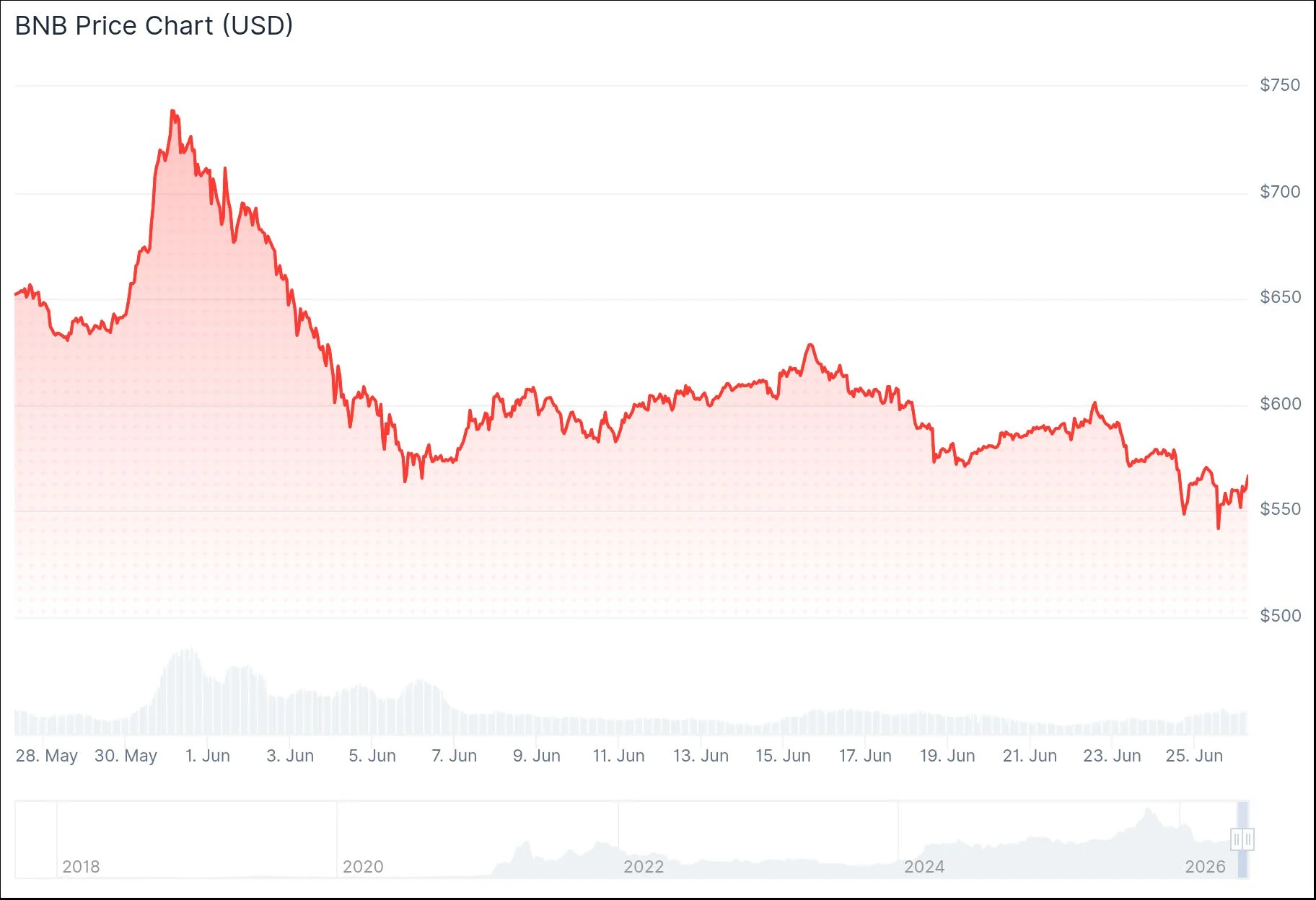
Binance Coin (BNB) Analysis: What Investors Need to Know Before Buying

manadia Global Launch: A Trusted AI Prediction Ecosystem Enters the Era of Value Internet



