

Volkswagen Plans Major Cuts With Up to 100,000 Jobs and €30B Investment Slash
Volkswagen Faces Major Restructuring Amid Industry Pressure
Volkswagen is reportedly preparing one of its most significant restructuring plans in decades, which could involve cutting up to 100,000 jobs worldwide and reducing its five-year investment program by €30 billion.
The company’s planned investment budget is expected to fall from €160 billion to €130 billion, signaling a more cautious financial strategy as the automaker confronts rising pressure across the global automotive industry.
The potential overhaul reflects deeper challenges facing traditional car manufacturers as they struggle to adapt to the rapid shift toward electric vehicles and increasing global competition.
Profit Decline Highlights Growing Challenges
Volkswagen’s operating profit reportedly dropped by 53 percent in the last financial year, marking its weakest performance since the aftermath of the Dieselgate emissions scandal.
The sharp decline has raised concerns about the company’s ability to maintain its position as one of the world’s leading automakers during a period of rapid industry transformation.
Rising costs, weaker demand in key markets, and increased competition have all contributed to the company’s declining financial performance.
Chinese EV Rivals Intensify Competition
A major factor behind Volkswagen’s challenges is the growing dominance of Chinese electric vehicle manufacturers such as BYD and Geely.
These companies have rapidly expanded their global presence, offering competitively priced electric vehicles with advanced technology and strong production efficiency.
In several markets, Chinese automakers have already surpassed traditional European brands in sales, placing additional pressure on companies like Volkswagen to adapt quickly or risk losing further market share.
 |
| Source: Xpost |
CEO Signals Shift in Production Strategy
Volkswagen CEO Oliver Blume has indicated that the company may need to rethink its long-standing production model.
The traditional strategy of manufacturing vehicles in Germany for global export is increasingly under strain due to rising costs and shifting global supply chain dynamics.
Blume has suggested that this model “no longer works,” pointing to the need for a more localized and flexible production approach.
Large-Scale Job Cuts Reflect Structural Change
The potential elimination of up to 100,000 positions reflects broader structural changes within the automotive industry.
As the sector transitions toward electric mobility, demand for traditional manufacturing roles is declining while demand for software, battery technology, and EV-related expertise continues to grow.
Volkswagen’s workforce reduction plan is expected to be part of a broader cost-cutting strategy aimed at improving efficiency and long-term competitiveness.
Reduced Investment Signals Cautious Outlook
Alongside job cuts, Volkswagen’s decision to reduce its five-year investment plan from €160 billion to €130 billion highlights a more conservative financial outlook.
The company is expected to continue investing in electric vehicle development and digital transformation, but at a slower and more controlled pace.
Analysts view the move as an attempt to balance financial stability with long-term industrial transformation.
European Auto Industry Under Pressure
Volkswagen’s challenges reflect wider difficulties across the European automotive sector.
Higher energy costs, strict environmental regulations, and strong global competition have created a challenging environment for legacy automakers.
At the same time, Chinese manufacturers continue to gain ground in both domestic and international markets, particularly in the fast-growing electric vehicle segment.
Market Outlook Remains Uncertain
Financial markets are closely watching Volkswagen’s restructuring plans as investors assess the long-term impact on profitability and competitiveness.
While cost reductions may improve short-term financial stability, the company’s future success will depend on its ability to innovate and adapt to changing market conditions.
The automotive industry as a whole remains in a period of deep transformation, with companies forced to rethink production, technology, and global strategy.
hoka.news – Not Just Crypto News. It’s Crypto Culture.
Writer @Victoria
Victoria Hale is a writer focused on blockchain and digital technology. She is known for her ability to simplify complex technological developments into content that is clear, easy to understand, and engaging to read.
Through her writing, Victoria covers the latest trends, innovations, and developments in the digital ecosystem, as well as their impact on the future of finance and technology. She also explores how new technologies are changing the way people interact in the digital world.
Her writing style is simple, informative, and focused on providing readers with a clear understanding of the rapidly evolving world of technology.
Disclaimer:
The articles on HOKA.NEWS are here to keep you updated on the latest buzz in crypto, tech, and beyond—but they’re not financial advice. We’re sharing info, trends, and insights, not telling you to buy, sell, or invest. Always do your own homework before making any money moves.
HOKA.NEWS isn’t responsible for any losses, gains, or chaos that might happen if you act on what you read here. Investment decisions should come from your own research—and, ideally, guidance from a qualified financial advisor. Remember: crypto and tech move fast, info changes in a blink, and while we aim for accuracy, we can’t promise it’s 100% complete or up-to-date.
Stay curious, stay safe, and enjoy the ride! hokan


You May Also Like

What is On-Demand Liquidity? How Ripple uses XRP to move money

Goldman Sachs’ 1 Delta Desk Warns AI’s Greatest Threat Is the Reflexive Loop
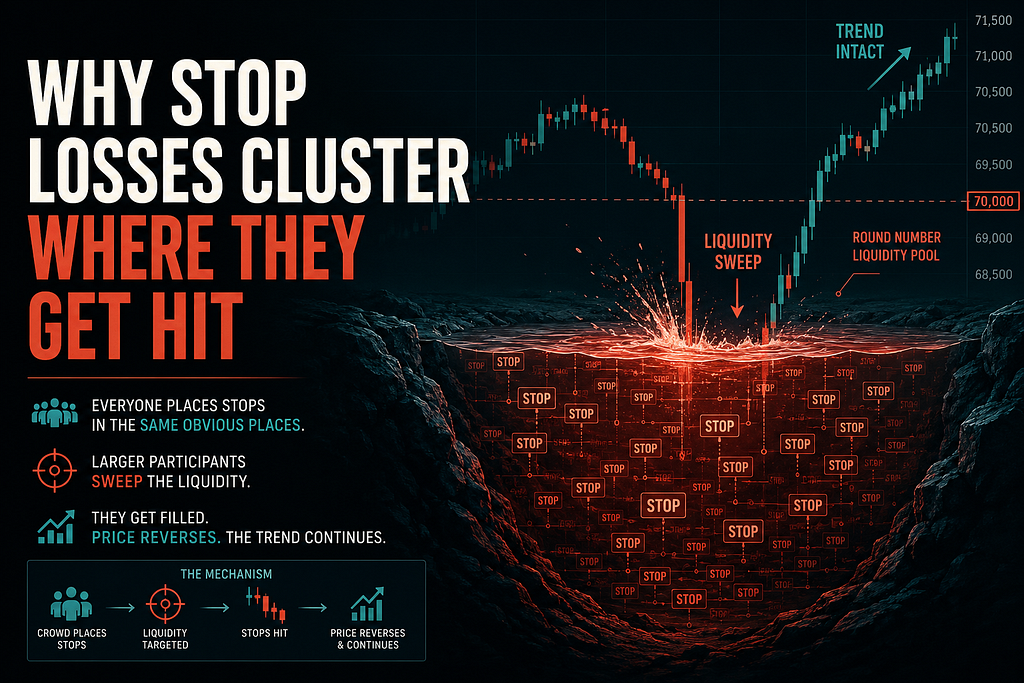
Why Stop Losses Cluster Where They Get Hit



