IIUM advises against DBKL councillor system for now
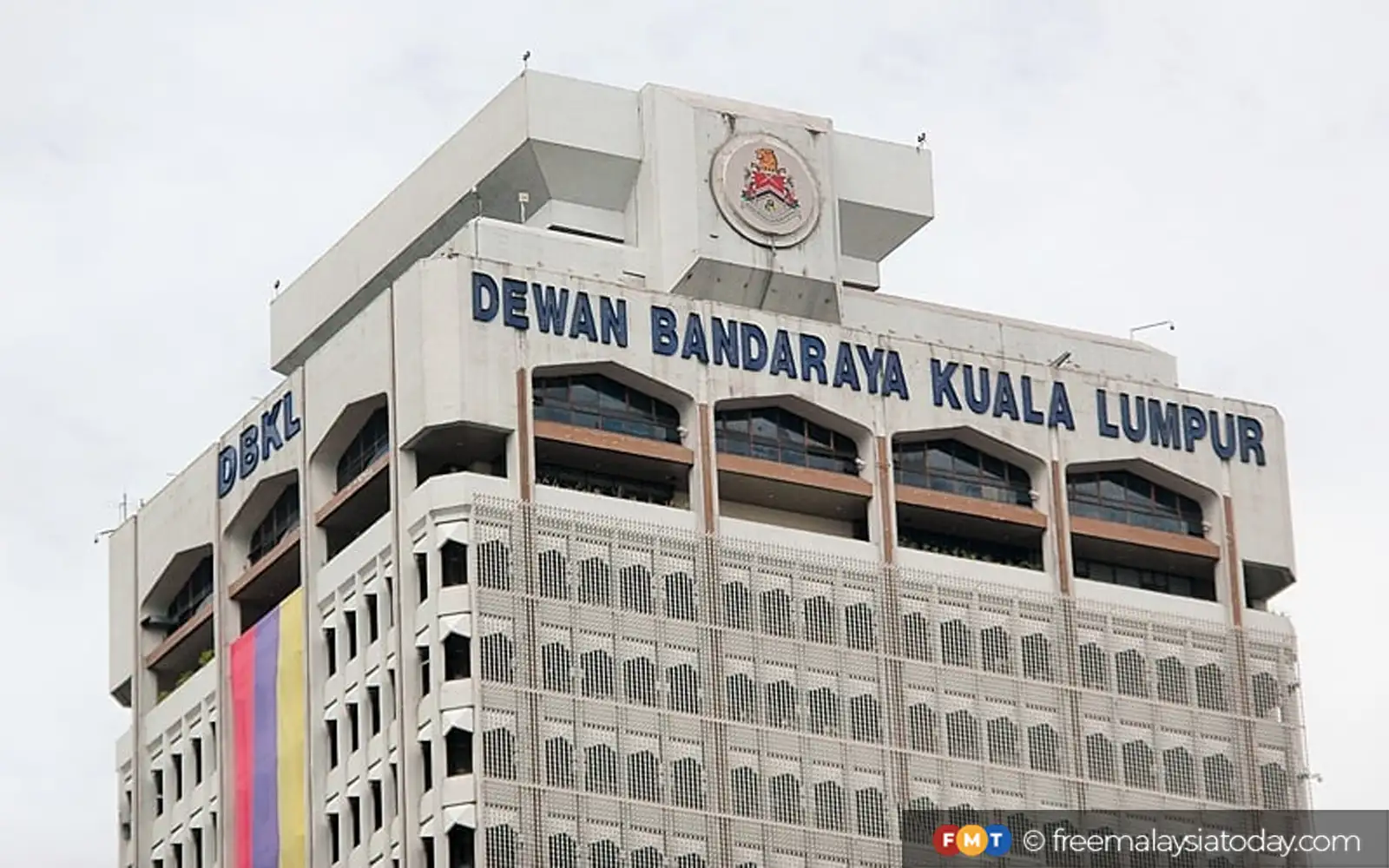 Federal territories minister Hannah Yeoh said the study concluded that currently there is no need to introduce a city councillor system within DBKL.
PETALING JAYA: The International Islamic University Malaysia (IIUM) has advised against introducing a councillor system within Kuala Lumpur City Hall (DBKL) for now, saying the existing governance structure should be strengthened first.
Federal territories minister Hannah Yeoh said today the recommendation was among the findings of IIUM’s feasibility study on proposed amendments to the Federal Capital Act 1960 (Act 190), conducted between Dec 1, 2025 and March 31 this year.
In a statement, Yeoh said IIUM found that many issues affecting DBKL stemmed from governance and administrative weaknesses rather than gaps in the law.
As a result, the study recommended strengthening internal systems and checks and balances without adding another decision-making layer that could blur accountability.
 Hannah Yeoh.
She said IIUM’s findings had been presented to the Cabinet, which instructed the federal territories department to prioritise internal governance reforms in stages before considering any amendments to Act 190.
“This is to be reported back to the Cabinet from time to time. (The department) and DBKL are now drafting a transformation plan to strengthen DBKL’s governance to keep it relevant and effective going forward,” she said.
IIUM’s study gathered views from Kuala Lumpur MPs and DBKL management on governance, decision-making, service delivery and accountability.
The study reviewed proposals from the Policy Advisory Committee to the Prime Minister and private member’s bills, including a proposal to establish a supreme council and an advisory body involving seven Kuala Lumpur MPs.
According to Yeoh, IIUM also recommended improving DBKL’s advisory board framework by setting clearer criteria for appointing professionals and NGO representatives, as well as tightening meeting procedures and reporting mechanisms.
“MP’s involvement should be strengthened through regular consultative meetings, monitoring committees, budget reviews, and channels for relaying public concerns and area development issues to DBKL and the minister responsible for federal territories.
“The consultative meeting mechanism should be clearly detailed in terms of scope, frequency, reporting format and coordination,” she said.
Yeoh said the IIUM study discovered through 1960 parliamentary Hansards that KL was established under Act 190 as a sole corporation administered by the mayor, a structure intended to insulate the capital’s administration from partisan politics.
It warned that introducing a councillor system with executive or voting powers could change the governance model, effectively placing KL under the Local Government Act 1976, which may run against the original legislative intent and the spirit of the 1974 Federal Territory of Kuala Lumpur Agreement.


Ayrıca Şunları da Beğenebilirsiniz

Why Is ETH Still Weak While Ethereum Staking Hits Record Highs?

Binance Surpasses $1B in Stock Trading AUM within 30 Days