

When most people hear the name Tether, they immediately think of USDT, the world’s largest stablecoin. However, the company has been expanding far beyond digital dollars. Its latest move into Saudi ArWhen most people hear the name Tether, they immediately think of USDT, the world’s largest stablecoin. However, the company has been expanding far beyond digital dollars. Its latest move into Saudi Ar
Tether Enters Saudi Arabia(RSA) With Real Estate Tokenization: What It Means for Crypto

When most people hear the name Tether, they immediately think of USDT, the world’s largest stablecoin. However, the company has been expanding far beyond digital dollars. Its latest move into Saudi Arabia shows that Tether wants to become a major player in one of blockchain’s fastest-growing sectors: real-world asset (RWA) tokenization.
Rather than launching a new cryptocurrency, Tether is bringing blockchain technology to traditional assets such as real estate. The initiative marks another step toward connecting conventional finance with digital assets and could help accelerate blockchain adoption in one of the Middle East’s fastest-growing economies.
So, what exactly is Tether doing in Saudi Arabia, and why does it matter for the future of crypto? Let’s break it down in simple terms.
1.Key Takeaways
i) Tether is expanding into Saudi Arabia through its Hadron tokenization platform.
ii) The initial focus is on institutional real estate tokenization.
iii) Tokenization converts ownership of real-world assets into blockchain-based digital tokens.
iV) Saudi Arabia’s Vision 2030 supports blockchain and financial innovation.
V) The move strengthens the growing real-world asset (RWA) sector and highlights blockchain’s expanding role beyond cryptocurrencies.
2.What Is Tokenization?
Before understanding Tether’s latest expansion, it’s important to know what tokenization means.
Tokenization is the process of converting ownership of a real-world asset into a digital token on a blockchain. These assets can include real estate, stocks, bonds, commodities, artwork, or even infrastructure projects.
Think of a building worth $20 million. Traditionally, buying part of that building would be difficult and require significant paperwork and legal processes. With tokenization, the building can be divided into thousands of digital tokens, allowing investors to purchase only a small portion instead of the entire property.
Blockchain records every ownership transfer, making transactions faster, more transparent, and easier to manage.
3.Tether’s Expansion Into Saudi Arabia
Tether is entering Saudi Arabia through its institutional tokenization platform, Hadron, which is designed to help businesses tokenize real-world assets.
The company is working with local partners to introduce blockchain-powered real estate tokenization for institutional use. Instead of focusing on everyday retail investors, the first phase targets businesses and financial institutions looking to digitize property ownership and investment.
This expansion reflects Tether’s broader strategy of becoming a technology provider for digital assets rather than being known only for issuing the USDT stablecoin.
4.Why Saudi Arabia?
Saudi Arabia has been investing heavily in technology and digital transformation through its Vision 2030 initiative. The country aims to diversify its economy by encouraging innovation in industries such as artificial intelligence, fintech, blockchain, and digital infrastructure.
Real estate is one of Saudi Arabia’s largest and fastest-growing sectors, supported by major development projects and increasing foreign investment.
By bringing tokenization to this market, Tether hopes to modernize how real estate investments are issued, managed, and traded while making financial markets more efficient.
5.How Real Estate Tokenization Works
Imagine an office tower valued at $50 million.Instead of selling the entire building to one buyer, the owner can tokenize it into 50 million digital tokens, with each token representing a tiny ownership share.
An investor could purchase a small number of these tokens and gain exposure to the property’s value without buying the entire building.
If the property’s value increases or it generates rental income, token holders may benefit according to the structure of the investment.
Because ownership exists on a blockchain, transfers can happen much faster than traditional real estate transactions, which often require lengthy paperwork and multiple intermediaries.
6.Why This Matters for Crypto
This announcement is important because it highlights that blockchain technology has uses far beyond cryptocurrencies.
For years, crypto has largely been associated with trading coins like Bitcoin and Ethereum. Today, many companies are focusing on using blockchain to improve traditional financial markets.
Real-world asset tokenization has become one of the fastest-growing areas in the blockchain industry because it allows physical assets to exist digitally while maintaining transparent ownership records.
Tether’s move shows that established crypto companies are increasingly building infrastructure that financial institutions can use in everyday business.
7.Benefits of Tokenization
If adopted on a large scale, tokenization could offer several advantages:
i) Faster settlement compared to traditional property transactions.
ii) Easier access to investment opportunities through fractional ownership.
iii) Improved transparency because blockchain records ownership changes.
iV) Greater liquidity for assets that are usually difficult to buy or sell quickly.
V) Reduced reliance on paperwork and multiple intermediaries.
These benefits could make real estate investing more efficient for institutions and, over time, potentially more accessible to a broader range of investors.
8.Challenges Still Remain
Although tokenization has enormous potential, it is still an emerging industry.
Different countries have different regulations governing digital assets and property ownership. Legal frameworks, investor protection, compliance requirements, and custody solutions will continue to play a major role in determining how quickly tokenized assets become mainstream.
In addition, institutional adoption often takes time because financial organizations must ensure that new technology meets strict security and regulatory standards.
For these reasons, tokenization is expected to grow gradually rather than replacing traditional financial systems overnight.
9.Conclusion
Tether’s move into Saudi Arabia is about much more than expanding its business. It represents another milestone in bringing blockchain technology into traditional finance.
Instead of focusing solely on cryptocurrencies, the company is helping create digital infrastructure for real-world assets, beginning with institutional real estate. While tokenization is still in its early stages, initiatives like this demonstrate how blockchain can solve practical problems beyond digital payments and speculative trading.
If adoption continues to grow and regulatory frameworks mature, tokenized assets could become a common part of global financial markets. Tether’s latest expansion suggests that the future of blockchain may be just as much about modernizing traditional industries as it is about powering cryptocurrencies.
Disclaimer:This content is for educational and reference purposes only and does not constitute any investment advice. Digital asset investments carry high risk. Please evaluate carefully and assume full responsibility for your own decisions.
市场机遇
4实时价格 (4)
--
----
USD
4 (4) 实时价格图表
描述:币圈脉动基于 AI 技术与公开信息,第一时间呈现最热代币趋势。如果想了解更多专业解读与深度分析,请访问新手学院。
本页面分享的文章均源自公开平台,仅供参考。该内容不代表 MEXC 的立场或观点。所有版权归 Mubashir 所有。如果您认为任何内容侵犯了第三方的权益,请联系 service@support.mexc.com 以便及时删除。 MEXC 不保证任何内容的准确性、完整性或及时性,且不对基于所提供信息而采取的任何行动负责。本内容不构成财务、法律或其他专业建议,亦不应被解释为 MEXC 的推荐或认可。如需专家见解和深入分析,请造访 MEXC 学院。
4 最新动态
查看更多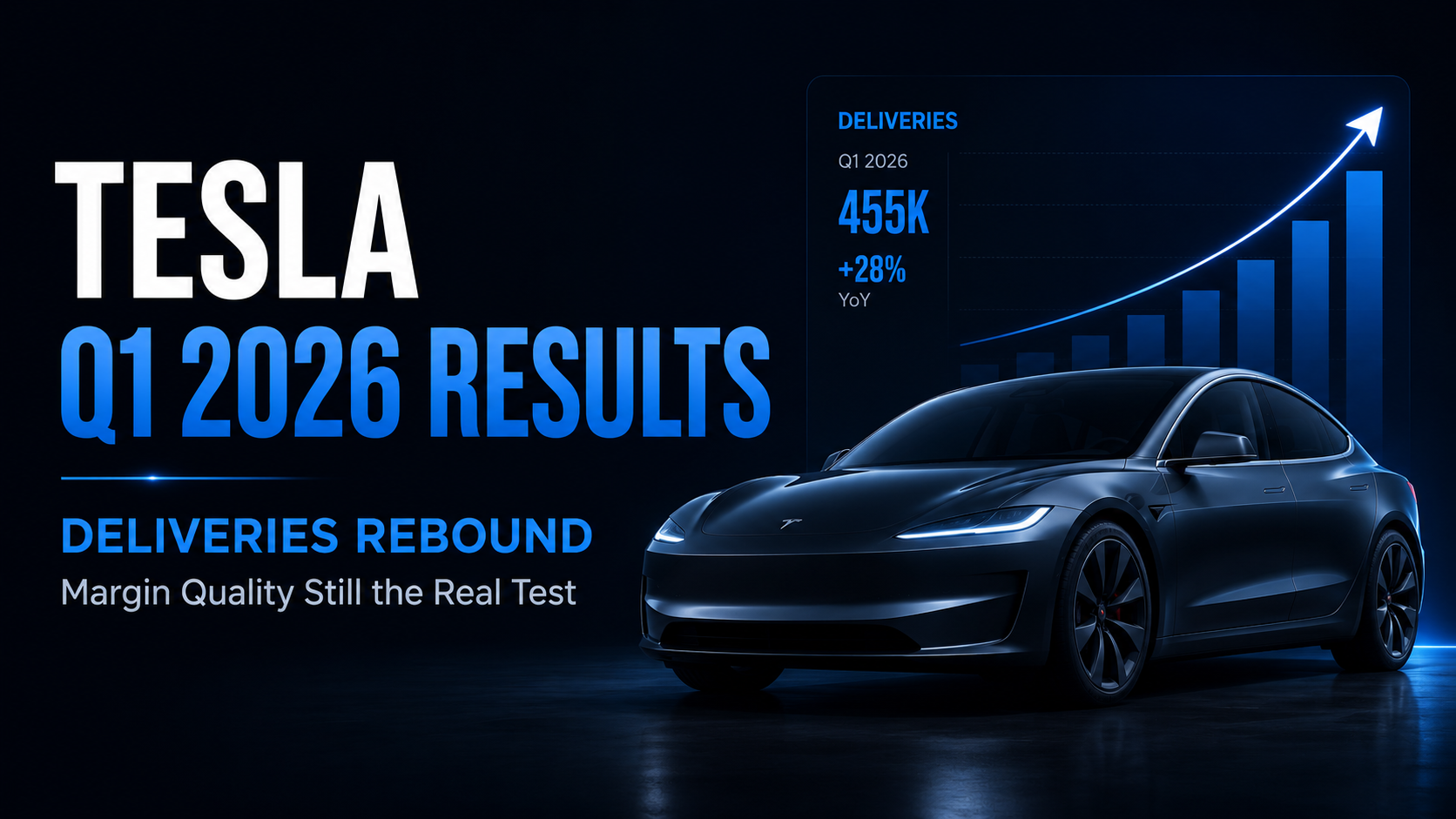
特斯拉2026年第一季度财报回顾:交付量反弹,但利润率质量仍是真正的考验
特斯拉于2026年4月22日美国股市收盘后公布了其2026年第一季度的财务业绩。该公司本季度交付了358,023辆汽车,创造了224亿美元的总营收,并报告归属于普通股股东的GAAP净利润为4.77亿美元。总GAAP毛利率提升至21.1%,而营业利润率达到4.2%。
核心信号不仅在于特斯拉的交付量从去年同期的疲软基数中恢复。更重要的问题是:更高的交付量、FSD相关营收、更低的单车成本以及改善的汽车毛利率,能否重建市场对特斯拉盈利能力的信心。对于寻找下一次TSLA财报日期或关注特斯拉财报的投资者来说,第一季度的表现为第二季度设立了一个关键考验:即销量的增长能否可持续地转化为更高质量的收益。
2026/07/09
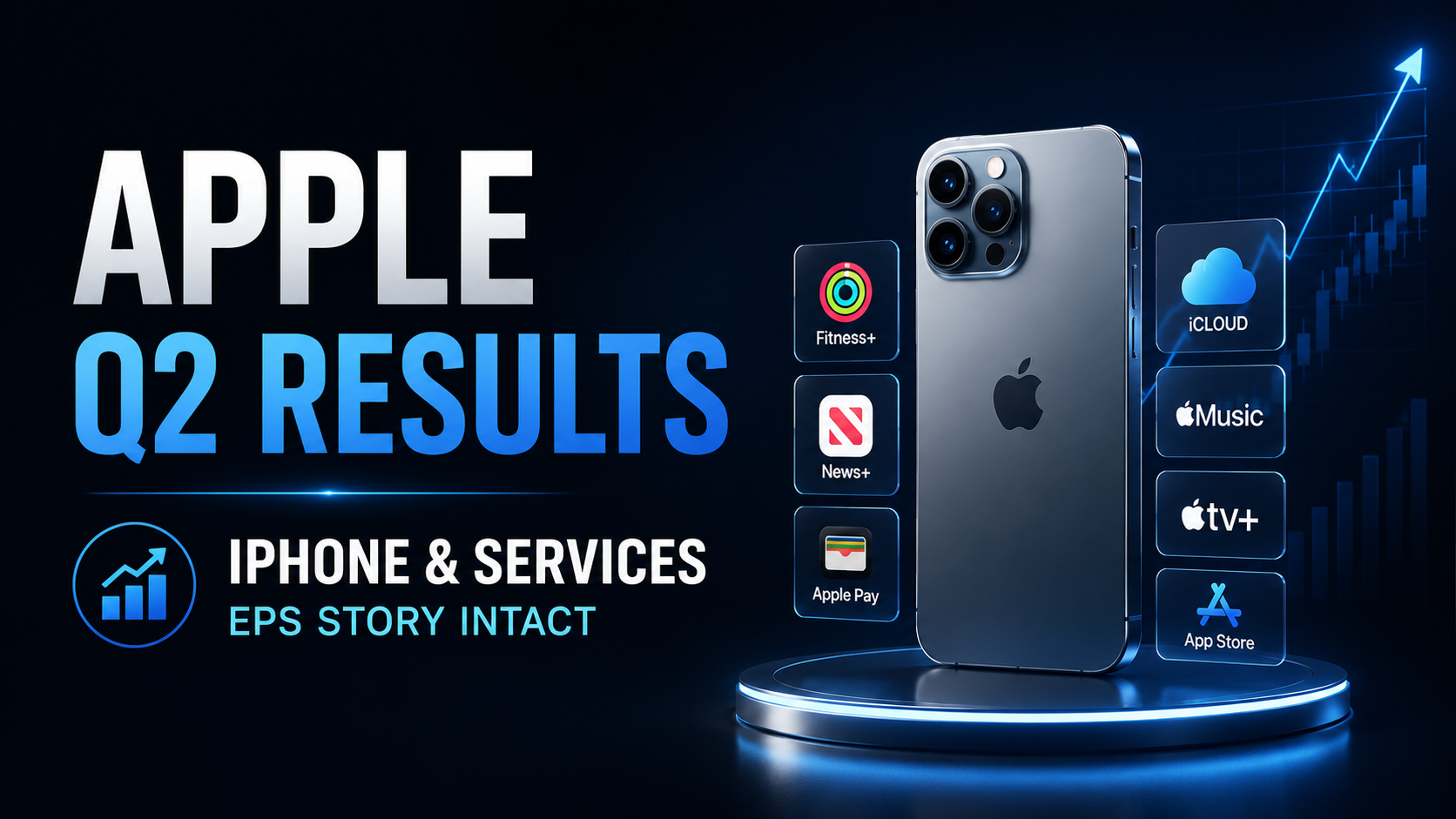
苹果 2026 财年第二季度财报回顾:iPhone 营收与服务业务增长维持 EPS 预期
苹果于 2026 年 4 月 30 日发布了 2026 财年第二季度财报,涵盖截至 2026 年 3 月 28 日的季度。总营收达到 1112 亿美元,同比增长 17%,摊薄后每股收益(EPS)增长 22% 至 2.01 美元。苹果表示,该季度创下了公司 3 月份季度的总营收、iPhone 营收和 EPS 纪录,同时服务业务营收也创下历史新高。
这不仅仅是一份常规的硬件周期财报。苹果第二季度的业绩证明,iPhone 需求、服务业务增长以及积极的资本回报计划仍在共同支撑着该公司强大的 EPS 增长故事。对于寻找下一个苹果财报或 AAPL 财报更新的投资者而言,未来的关键问题是,在市场等待更强劲的 AI 和产品周期催化剂之际,苹果能否维持其溢价估值。
2026/07/09
Hyperliquid 未平仓合约达 115 亿美元:链上永续合约是否正扩展至美国股市?
Hyperliquid的未平仓合约量已达到约115亿美元,创下2026年新高,其中HIP-3市场贡献了近40亿美元。与标普500指数挂钩的合约已成为最大的HIP-3市场,而追踪SK海力士和美光科技的合约则反映了对人工智能和半导体相关敞口需求的不断增长。
2026/07/28
热门
目前热门备受市场关注的加密货币
加密货币价格
按交易量计算交易量最大的加密货币