

Social media is central to modern life, letting billions create content and connect with audiences worldwide. Yet despite generating the content that keeps these platforms running, most users earn litSocial media is central to modern life, letting billions create content and connect with audiences worldwide. Yet despite generating the content that keeps these platforms running, most users earn lit

Social media is central to modern life, letting billions create content and connect with audiences worldwide. Yet despite generating the content that keeps these platforms running, most users earn little while centralized companies control the platform, user data, and advertising revenue. This is where SocialFi comes in. Short for Social Finance, SocialFi combines blockchain technology with social networking to create platforms where users own their content, control their digital identities, and can earn cryptocurrency for their contributions. This guide covers what SocialFi is, how it works, how creators and users can make money from it, and why many believe it could shape the future of online communities.
1.What Is SocialFi?
SocialFi is a blockchain-powered version of social media that combines traditional social networking with decentralized finance (DeFi). Instead of relying on a single company to own the platform and profit from user activity, SocialFi distributes value among creators, users, and communities.
On platforms like Instagram, TikTok, or X, users create content while the platform earns primarily through advertising and subscriptions. Creators can monetize their work, but they depend on platform algorithms, sponsorships, or ad revenue, all of which can change at any time.
SocialFi aims to solve this by giving creators direct ownership of their content and letting users support them without middlemen. Payments, rewards, and community interactions are recorded on a blockchain, making the system transparent and reducing dependence on centralized companies.
Another defining feature is digital ownership. Users own their wallets, identities, and digital assets instead of having them controlled by the platform, giving creators more control over their audience and less vulnerability to sudden account restrictions or policy changes.
In short, SocialFi transforms social media from a system where companies profit from users into one where users can profit from the value they create.
2.How Does SocialFi Work?
At its core, SocialFi combines three technologies: blockchain, cryptocurrencies, and decentralized applications (dApps).
When someone joins a SocialFi platform, they usually connect a crypto wallet instead of creating a traditional email-based account. This wallet acts as both their identity and their payment account.
As users post, upload videos, write articles, or interact with others, their activity can generate blockchain-based rewards depending on the platform’s system. Instead of relying solely on ads, many SocialFi platforms use a native cryptocurrency to reward creators and active members. Supporters can send tips instantly, buy creator tokens, subscribe to premium communities, or purchase digital collectibles tied to favorite creators.
Smart contracts automate these transactions without banks or payment processors. Every payment is transparent and recorded on the blockchain, reducing delays and increasing trust between creators and audiences.
Some platforms also allow governance participation: token holders can vote on new features, policies, or community decisions, giving users a voice instead of leaving all decisions to a central company. This creates an ecosystem where creators, users, and developers all contribute to, and benefit from, the platform’s success.
3.Key Features of SocialFi
i) User Ownership: Blockchain wallets give users control of their digital identities, rather than a company controlling their accounts and content.
ii) Direct Monetization: Creators earn direct payments from followers through tips, subscriptions, creator tokens, and NFTs, rather than depending entirely on ads.
iii) Decentralization : No single authority controls all decisions; communities help shape the platform through governance.
iv) Transparency: Blockchain records every transaction publicly, so users can verify payments and rewards without relying on internal company reports.
V) Community Governance : Governance tokens let users vote on platform improvements, fees, and development plans.
vi) Digital Identity:Blockchain-based identities may let creators carry their reputation and audience across multiple compatible platforms in the future.
4.How Creators and Users Earn Money
SocialFi creates several income streams beyond advertising.
The most direct method is tips, supporters can instantly reward valuable content with cryptocurrency instead of waiting on monthly ad payments. Many platforms also offer creator tokens, digital assets tied to a specific creator or community. Fans buy these to unlock exclusive content, private groups, or live events; as a creator grows more popular, token demand, and value can rise, benefiting both the creator and early supporters.
Some platforms reward general activity: writing quality comments, sharing content, or inviting new members can earn token rewards. NFTs offer another income source, letting artists, musicians, and writers mint and sell digital collectibles directly to supporters. Some ecosystems also offer staking, where users lock platform tokens to support the network while earning passive rewards.
Earnings vary by platform, but SocialFi offers a far broader range of monetization options than traditional social networks.
4.1 Real-Life Earning Scenario
Imagine Ali, a technology educator who creates short videos explaining cryptocurrency concepts. On traditional social media, his income depends almost entirely on advertising and occasional sponsorships, and algorithm changes often reduce his visibility and earnings, even with a large audience.
Ali joins a SocialFi platform instead. Followers begin tipping him whenever they find his content useful, and he launches a creator token giving holders access to exclusive market analysis, weekly live sessions, and private groups. As his community grows, demand for his token rises, benefiting both Ali and his early supporters. Rather than depending on one company’s algorithm, Ali builds a community where creators and followers share in the value they create together.
5.Best SocialFi Projects
i) Lens Protocol: A decentralized social graph, rather than a single app, that developers use to build social applications. Profiles, followers, and posts live on the blockchain, so creators keep ownership of their audience instead of being tied to one platform.
ii) Farcaster: A decentralized social network where users keep the same identity across multiple apps built on the protocol, reducing dependence on any single platform.
iii) Cyber: Helps creators build and monetize communities through decentralized identities and blockchain-based interactions while retaining ownership of their digital presence.
iv) Friend.tech: One of the first SocialFi apps to gain mainstream attention, letting users buy and sell access to creators through digital “keys.” Despite a boom-and-bust trajectory, it proved people will pay for direct creator access via blockchain.
These projects show SocialFi isn’t one type of application, it’s an ecosystem built around creator ownership, community engagement, and decentralized social experiences.
6.Risks and Challenges
SocialFi also faces real obstacles. Adoption remains limited, traditional platforms have billions of users, while SocialFi communities are still forming.Token volatility means creator earnings can fluctuate even with a stable, active audience, since many rewards are paid in platform tokens.
The user experience can be difficult for newcomers: managing crypto wallets, protecting private keys, and understanding blockchain transactions can feel overwhelming. Regulatory uncertainty is another factor, as governments are still developing rules around cryptocurrencies and digital assets. Finally, decentralization shifts responsibility onto users to protect their own wallets, losing access can mean permanently losing digital funds.
Many experts believe these challenges will ease as blockchain technology matures.
7.SocialFi vs. Traditional Social Media
On the surface, SocialFi platforms resemble traditional ones , users create profiles, publish content, and build communities. The underlying business model, though, is very different.
Traditional platforms generate revenue mainly through advertising, collecting user data and controlling recommendation algorithms and content distribution, often leaving creators with little control. SocialFi shifts this balance, giving creators ownership of their digital identities, direct access to their communities, and multiple ways to earn without depending entirely on advertisers, so value flows directly to creators and engaged community members rather than to the platform.
Traditional platforms still offer larger audiences and easier onboarding, but SocialFi offers greater transparency, ownership, and financial opportunity for users willing to embrace decentralized technology.
8.The Future of SocialFi
SocialFi is still early, but its long-term potential is significant. As blockchain becomes faster, cheaper, and easier to use, decentralized social platforms may attract more creators seeking independence from traditional social media companies.
Integration with artificial intelligence, decentralized identity systems, NFTs, and blockchain payments could further expand what SocialFi can do. Creators may eventually manage identities across multiple platforms, receive instant global payments, and build communities free from single-company control. Businesses, too, may adopt SocialFi to strengthen customer engagement and build token-based loyalty programs.
Mainstream adoption may take time, but SocialFi addresses real problems creators face today, limited monetization, algorithm dependence, and lack of ownership, suggesting decentralized social platforms could become an increasingly important part of the digital economy.
9.Conclusion
SocialFi represents a new approach to social networking, combining blockchain technology with the creator economy. Instead of letting centralized companies control user data, content, and revenue, SocialFi gives creators and communities greater ownership and more ways to earn from their contributions. The sector is still evolving and faces real challenges around adoption and regulation, but its potential to transform digital communities is clear. As blockchain technology matures, SocialFi could redefine how people connect, create, and monetize content, making it one of the most promising sectors to watch in the years ahead.
Disclaimer:This content is for educational and reference purposes only and does not constitute any investment advice. Digital asset investments carry high risk. Please evaluate carefully and assume full responsibility for your own decisions.
市场机遇
4实时价格 (4)
--
----
USD
4 (4) 实时价格图表
描述:币圈脉动基于 AI 技术与公开信息,第一时间呈现最热代币趋势。如果想了解更多专业解读与深度分析,请访问新手学院。
本页面分享的文章均源自公开平台,仅供参考。该内容不代表 MEXC 的立场或观点。所有版权归 Mubashir 所有。如果您认为任何内容侵犯了第三方的权益,请联系 service@support.mexc.com 以便及时删除。 MEXC 不保证任何内容的准确性、完整性或及时性,且不对基于所提供信息而采取的任何行动负责。本内容不构成财务、法律或其他专业建议,亦不应被解释为 MEXC 的推荐或认可。如需专家见解和深入分析,请造访 MEXC 学院。
4 最新动态
查看更多
特斯拉2026年第一季度财报回顾:交付量反弹,但利润率质量仍是真正的考验
特斯拉于2026年4月22日美国股市收盘后公布了其2026年第一季度的财务业绩。该公司本季度交付了358,023辆汽车,创造了224亿美元的总营收,并报告归属于普通股股东的GAAP净利润为4.77亿美元。总GAAP毛利率提升至21.1%,而营业利润率达到4.2%。
核心信号不仅在于特斯拉的交付量从去年同期的疲软基数中恢复。更重要的问题是:更高的交付量、FSD相关营收、更低的单车成本以及改善的汽车毛利率,能否重建市场对特斯拉盈利能力的信心。对于寻找下一次TSLA财报日期或关注特斯拉财报的投资者来说,第一季度的表现为第二季度设立了一个关键考验:即销量的增长能否可持续地转化为更高质量的收益。
2026/07/09
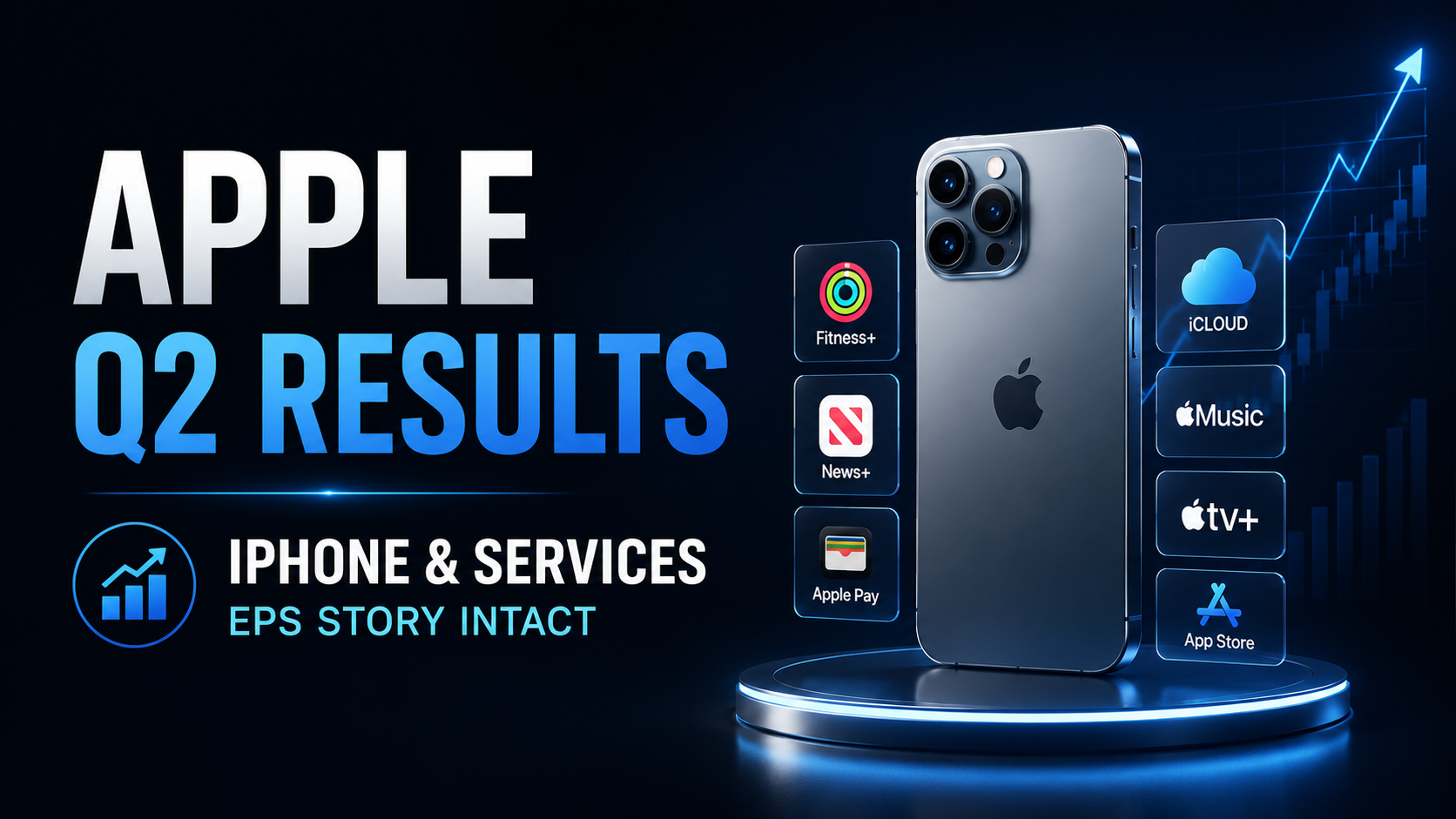
苹果 2026 财年第二季度财报回顾:iPhone 营收与服务业务增长维持 EPS 预期
苹果于 2026 年 4 月 30 日发布了 2026 财年第二季度财报,涵盖截至 2026 年 3 月 28 日的季度。总营收达到 1112 亿美元,同比增长 17%,摊薄后每股收益(EPS)增长 22% 至 2.01 美元。苹果表示,该季度创下了公司 3 月份季度的总营收、iPhone 营收和 EPS 纪录,同时服务业务营收也创下历史新高。
这不仅仅是一份常规的硬件周期财报。苹果第二季度的业绩证明,iPhone 需求、服务业务增长以及积极的资本回报计划仍在共同支撑着该公司强大的 EPS 增长故事。对于寻找下一个苹果财报或 AAPL 财报更新的投资者而言,未来的关键问题是,在市场等待更强劲的 AI 和产品周期催化剂之际,苹果能否维持其溢价估值。
2026/07/09
Hyperliquid 未平仓合约达 115 亿美元:链上永续合约是否正扩展至美国股市?
Hyperliquid的未平仓合约量已达到约115亿美元,创下2026年新高,其中HIP-3市场贡献了近40亿美元。与标普500指数挂钩的合约已成为最大的HIP-3市场,而追踪SK海力士和美光科技的合约则反映了对人工智能和半导体相关敞口需求的不断增长。
2026/07/28
热门
目前热门备受市场关注的加密货币
加密货币价格
按交易量计算交易量最大的加密货币