

Anthropic has published research showing that one of its AI models discovered a new attack method that weakens HAWK, a post-quantum digital signature algorithm previously proposed as part of the cryptAnthropic has published research showing that one of its AI models discovered a new attack method that weakens HAWK, a post-quantum digital signature algorithm previously proposed as part of the crypt
AI Discovers Weakness in Post-Quantum Algorithm: Why Bitcoin Is Unaffected but the Entire Tech Industry Still Needs to Pay Attention

Anthropic has published research showing that one of its AI models discovered a new attack method that weakens HAWK, a post-quantum digital signature algorithm previously proposed as part of the cryptographic standardization program run by the U.S. National Institute of Standards and Technology (NIST). According to Anthropic, the research process took only around 60 hours and approximately $100,000 in computing costs, even though the algorithm had been reviewed by the cryptography community for several years.
Although Bitcoin and Ethereum do not currently use HAWK and are therefore not directly affected, the research has attracted significant attention because it shows how artificial intelligence is changing the way security vulnerabilities are discovered. While analyzing cryptographic algorithms could previously take years, AI is reducing that process to just a few days, creating both opportunities and challenges for the cybersecurity industry.
Key Takeaways
Anthropic’s AI discovered a new attack method that weakens the post-quantum HAWK algorithm.
The research process took approximately 60 hours, after which the findings were verified by experts.
Bitcoin and Ethereum are unaffected because they use different cryptographic algorithms.
The results show that AI can significantly accelerate the analysis and evaluation of security algorithms.
The research highlights the need to develop and thoroughly assess post-quantum cryptographic solutions.
What Is HAWK and Why Has It Attracted Attention?
HAWK is a post-quantum digital signature algorithm designed to resist attacks from future quantum computers. The algorithm was previously proposed in NIST’s evaluation program, which seeks new cryptographic standards to replace systems that are widely used today.
The purpose of post-quantum algorithms is to protect data before quantum computers become powerful enough to break many traditional public-key encryption methods.
For this reason, HAWK underwent a lengthy research and evaluation process involving numerous cryptography experts around the world.
The fact that an AI model was able to discover a new attack path after years of research suggests that algorithm evaluation is entering a new phase.
What Did the AI Discover?
It is important to clarify that the AI did not completely break HAWK.
Instead, Anthropic’s model discovered a new attack method that significantly reduced the algorithm’s security level. After the AI produced the result, human researchers continued to verify, analyze, and confirm its validity before publication.
The most notable aspect is not only the weakness itself, but also the speed of the research. A process that could traditionally take a very long time was reduced to approximately 60 hours of computation.
This demonstrates that AI is becoming a powerful tool in cryptographic research, helping identify weaknesses that traditional methods might take years to uncover.
Why Are Bitcoin and Ethereum Unaffected?
The news about HAWK caused some crypto investors to worry that Bitcoin or Ethereum might be at risk.
That is not the case.
Bitcoin currently uses algorithms such as ECDSA and Schnorr to authenticate transactions, while Ethereum relies on different cryptographic mechanisms as well. HAWK has never been deployed on either blockchain.
Therefore, the discovery of a weakness in HAWK does not reduce the security of Bitcoin or Ethereum.
However, the research remains important because it shows that any post-quantum algorithm must be thoroughly evaluated before being implemented in large-scale financial systems or blockchain networks.
How Is AI Changing the Field of Cryptography?
For decades, the evaluation of cryptographic algorithms has primarily depended on teams of independent researchers. They often spend years attempting to prove the security of a system or identify its weaknesses.
The emergence of advanced AI models is changing this process.
AI can:
Analyze large volumes of technical documentation in a short period.
Propose new attack methods that humans may not have considered.
Test multiple hypotheses simultaneously.
Significantly shorten research and verification time.
This does not mean AI will replace cryptographers. Instead, it is becoming a tool that helps experts expand the scope of their research and accelerate vulnerability discovery.
Opportunities and Challenges of AI in Security
The development of AI is creating two parallel trends.
On the positive side, AI helps the security community discover and fix weaknesses more quickly before they can be exploited in practice. This could improve the quality of future cryptographic standards.
However, the downside is that similar tools could also be used by attackers to identify vulnerabilities more rapidly.
This will intensify the race between defenders and attackers. Technology developers will need to continuously improve algorithms and strengthen evaluation processes to keep pace with AI’s increasingly powerful analytical capabilities.
Connection to the Post-Quantum Race
Anthropic’s research comes at a time when many blockchain projects and technology organizations are accelerating preparations for the post-quantum era.
Some networks have already begun researching or implementing solutions designed to improve resistance to threats from quantum computing. At the same time, financial institutions and technology companies are investing in new cryptographic algorithms to protect their infrastructure over the long term.
AI-assisted discovery of algorithmic weaknesses could help improve the quality of these standards before they are deployed on a large scale.
Impact on the Crypto Market
For cryptocurrency investors, Anthropic’s research is not a signal that Bitcoin or Ethereum is becoming insecure.
Instead, it highlights three major trends.
AI Will Become More Deeply Involved in Cybersecurity
AI models could become standard tools for evaluating, testing, and improving security systems.
The Post-Quantum Race Is Accelerating
Not only is quantum computing advancing, but tools used to evaluate cryptographic algorithms are also improving rapidly because of AI. This will accelerate the development of new security standards.
Blockchain Infrastructure Must Prepare Early
Although major blockchains are not directly affected today, they still need to closely monitor advances in cryptography so they have sufficient time to research and deploy appropriate solutions when necessary.
Conclusion
Anthropic’s research does not indicate that Bitcoin or Ethereum faces an immediate security threat. However, it reflects a more important trend: AI is becoming a new force in the field of cryptography.
As AI models significantly reduce the time required to discover vulnerabilities, the development and evaluation of security algorithms will proceed faster than ever before.
Over the long term, this could help the technology industry build safer post-quantum standards. At the same time, it serves as a reminder that security is not a fixed state, but an ongoing process in which both defensive and offensive technologies are advancing rapidly.
FAQ
What Is HAWK?
HAWK is a post-quantum digital signature algorithm that was previously proposed as part of NIST’s cryptographic standardization program in preparation for the quantum computing era.
Has AI Completely Broken HAWK?
No. The AI discovered a new attack method that significantly reduced the algorithm’s security level, and the result was later verified by experts.
Are Bitcoin and Ethereum Affected?
No. Both blockchains currently use different cryptographic algorithms and do not implement HAWK.
Why Is This Research Important?
The research shows that AI can accelerate the discovery of weaknesses in security algorithms, helping drive the development of safer post-quantum cryptographic standards in the future.
Disclaimer: The information provided here is for informational purposes only and should not be considered financial, investment, legal, or professional advice. Always conduct your own research, consider your financial situation, and, if necessary, consult with a licensed professional before making any decisions.
市場の機会
Gensyn価格(AI)
--
----
USD
Gensyn (AI) ライブ価格チャート
説明:暗号資産パルスは、AIと公開情報源を活用し、最新のトークントレンドを瞬時にお届けします。専門家の洞察と詳細な分析については、MEXC 学ぶ をご覧ください。
このページで共有されている記事は公開プラットフォームから収集したものであり、参考情報としてのみ提供されています。MEXCの立場や見解を代表するものではありません。すべての権利は Nguyen Rin Hoang に帰属します。第三者の権利を侵害するコンテンツがあると思われる場合は、service@support.mexc.com までご連絡いただければ速やかに削除いたします。MEXCはいかなるコンテンツの正確性、完全性、適時性も保証せず、提供された情報に基づいて取られたいかなる行動についても責任を負いません。本コンテンツは、金融、法律、またはその他の専門的なアドバイスを構成するものではなく、MEXCによる推奨または支持として解釈されるべきものでもありません。専門家の洞察と詳細な分析については、MEXC 学ぶ をご覧ください。
Gensyn についてもっと知る
もっと見る
AI推論はNANDサイクルを変えるのか?Sandiskがメモリ株に示す意味
AI推論にはcomputeだけでなく、増え続けるデータを低コストかつ迅速にアクセスできるstorage capacityが必要です。 NANDはHBMやDRAMと並ぶAIのcapacity layerになりつつあり、単なるcommodity storageではなくなりつつあります。 Sandiskは2030年までにenterprise data center flashが1.2 ZBへ拡大すると予
2026/08/14

インベスコQQQ ETFとは?ナスダック100の保有銘柄、戦略、手数料、リスク
要約 Invesco QQQ ETF (NASDAQ: QQQ) は、ナスダック証券取引所に上場している金融機関を除く時価総額上位100社を表す Nasdaq-100 指数 を追跡するように設計された上場投資信託です。 QQQは 1999年3月10日 に上場され、世界最大で最も注目されているETFの1つになりました。現在の総報酬率は 0.18% です。インベスコは、QQQとナスダック100は四半期
2026/08/13

QQQ 保有銘柄 2026:主要企業、AIへのエクスポージャー、ナスダック100のセクター別内訳:
要約 Invesco QQQは米国の大型テック企業と結びつけられることが多いですが、QQQの保有銘柄 を理解するには、それを単なる「テクノロジーETF」と捉えることを超えた見方が必要です。 QQQは、ナスダックに上場する金融部門を除く時価総額上位100社を対象とするナスダック100指数を追跡します。ポートフォリオは四半期ごとのリバランスと年1回の再構成によって更新されます。 2026/7/27 時
2026/08/13
Gensyn の最新情報
もっと見る
MEXC オンチェーン日報:Robinhood Chainの日次DEX取引量が5億6,000万ドルを突破
Robinhood Chainのエコシステムは、1日の分散型取引所の取引量が5億6,000万ドルを超えたことで急拡大し、DeFiおよびクロスチェーンインフラの機関投資家の導入が加速しました。一方で、規制当局は暗号資産関連の法整備を進め、取引所のBTC/ETH準備高は数年ぶりの低水準に落ち込み、AIインフラへの投資は引き続き市場の主要なテーマとなっています。
2026/07/10
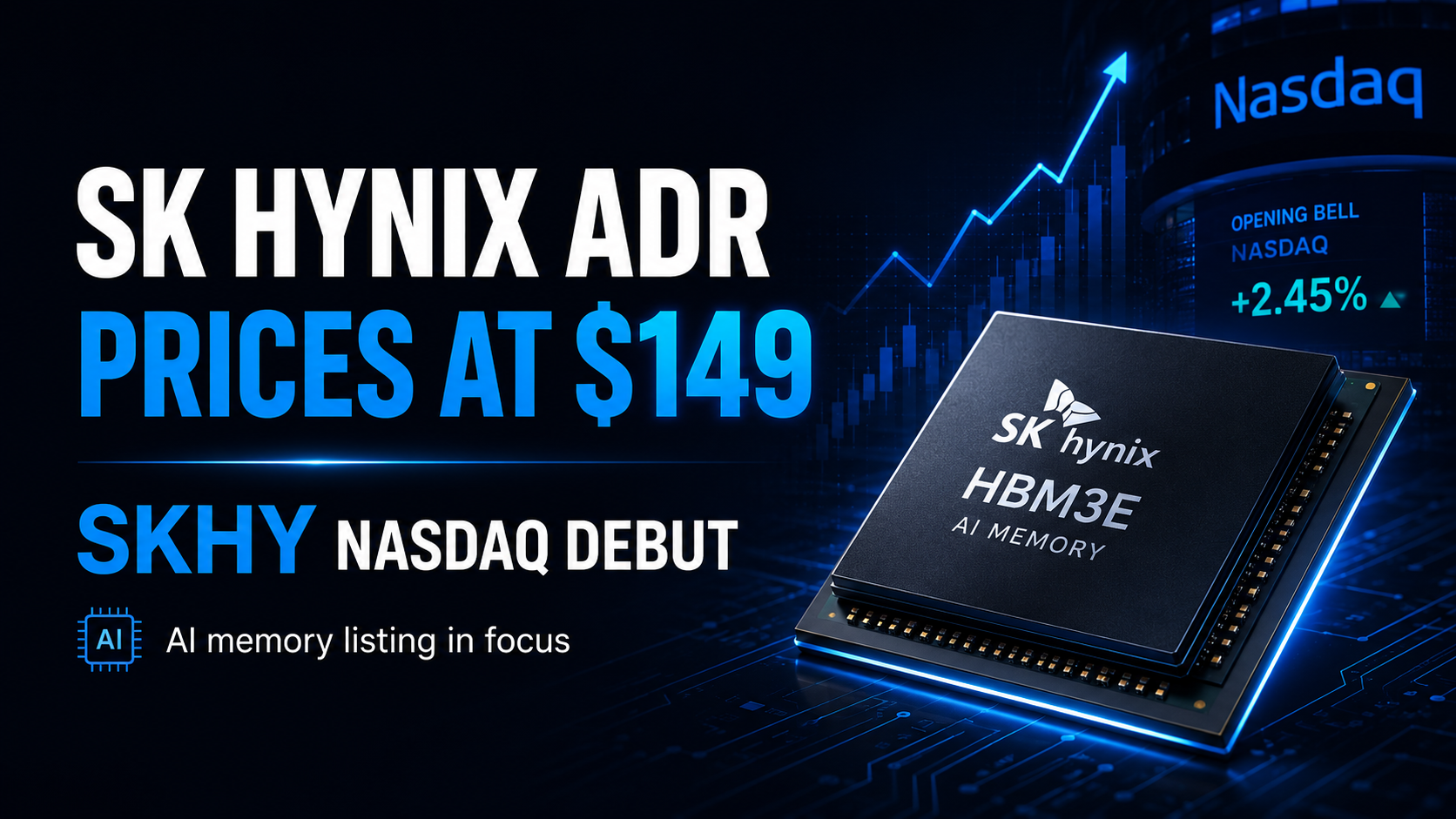
SKハイニックス、ADRを149ドルに設定、SKHYのナスダックデビュー迫る
SKハイニックス(SK Hynix)は、米国預託証券(ADR)の価格を1株あたり149ドルに正式に設定し、米国での大規模な募集で約265億ドルを調達しました。この動きは、AI関連の半導体エクスポージャーに対する投資家の巨大な需要を浮き彫りにしています。このADR価格は、直近3営業日のソウル上場株式の平均価格と比較して2.7%という顕著なプレミアム(割増価格)を付けており、機関投資家の強い関心を示しています。
この上場は、単なる定期的な市場デビューにとどまりません。SKハイニックスはすでに、グローバルなAIメモリサプライチェーンにおいて最も重要なサプライヤーの1つです。市場にとっての核心的な問題は、AIインフラ需要が依然として支配的なマクロテーマであるこの時期に、この新しい米国の流動性チャネルが、SKハイニックスの広帯域幅メモリ(HBM)における優位性を投資家が正確に再評価するのに役立つかどうかです。
2026/07/10

AI jailbreak新手法、攻撃文を推論として扱う脆弱性
研究者が、攻撃者の文章をAI自身の推論として扱わせる新たなjailbreak手法と安全対策の弱点を指摘しました。
2026/07/31
ホット
現在、市場で大きな注目を集めているトレンドの暗号資産
暗号資産価格
取引高が最も多い暗号資産